

New Year Advertising Strategies 2026
New Year advertising strategies 2026 represent the most critical planning opportunity for international advertisers in a generation, converging three unprecedented catalysts: fresh Q1 budgets deploying at scale, the FIFA World Cup 2026 creating a six-month global marketing phenomenon from June through July, and AI-powered optimization tools enabling real-time campaign adaptation across multiple markets simultaneously. While most brands treat New Year advertising as a January promotional sprint, elite international advertisers recognize 2026 as a 12-month strategic orchestration where Q1 decisions determine World Cup positioning, cultural moments from Lunar New Year through major sporting events create continuous engagement opportunities, and budget allocation frameworks established in January cascade through the entire fiscal year.
This comprehensive guide decodes the unique dynamics shaping New Year advertising strategies 2026 for international brands, revealing why Q1 budget deployment differs fundamentally from other quarters, how to architect campaigns that bridge Western New Year, Lunar New Year, and World Cup moments into unified brand narratives, and the allocation frameworks that maximize ROI across diverse markets while building toward summer’s ultimate global attention opportunity. For advertisers operating on platforms like broos.io that connect brands with verified audiences across emerging markets, 2026 represents a watershed moment to establish market leadership before competition intensifies around World Cup activation.
The Q1 2026 Phenomenon: Why January Budgets Behave Differently
Fresh Budget Psychology and The January Advantage
New Year advertising strategies 2026 must account for the “fresh budget phenomenon,” a psychological and operational reality that makes Q1 fundamentally different from subsequent quarters. As fiscal years reset, marketing teams deploy with full annual budgets, unspent allocations, and renewed executive confidence following holiday performance reviews. This creates a brief window where budget availability exceeds typical constraints, experimentation receives greater tolerance, and competitive intensity paradoxically decreases as rivals finalize their own planning.
The strategic implication is counterintuitive: while many advertisers delay Q1 spending, assuming high competition, data shows that CPCs on major platforms actually dip 15-25% in the first three weeks of January as competitors finalize budgets and creative assets. Advertisers who pre-plan campaigns and deploy immediately in early January capture premium inventory at off-peak prices before the market adjusts upward by late January. This three-week arbitrage window represents one of Q1’s most exploitable opportunities.
International advertisers gain additional advantages through geographic arbitrage, deploying budgets across markets with staggered budget cycles and varying fiscal year starts. While U.S. and European markets flood channels in January, markets operating on different fiscal calendars (like India’s April start or Australia’s July start) exhibit different competitive dynamics. Sophisticated budget allocation spreads investment across these temporal opportunities rather than concentrating everything in a single market’s January.
The 60-25-15 Budget Allocation Framework
Professional New Year advertising strategies 2026: Implement structured allocation frameworks rather than distributing budgets arbitrarily. The 60-25-15 model provides proven structure: 60% to channels demonstrating clear ROI in 2025, 25% to optimization experiments on proven channels, and 15% to entirely new platform or strategy tests.
This framework prevents the two most common Q1 mistakes: over-concentrating on proven channels (missing emerging opportunities) and over-diversifying across unproven experiments (diluting effectiveness). The 60% core ensures operational stability and a predictable pipeline, the 25% optimization layer compounds existing success through creative testing and audience refinement, and the 15% experimental budget enables calculated risk-taking without jeopardizing overall performance.
Implementation requires rigorous 2025 performance audits completed by December. Advertisers must calculate true channel costs, including hidden expenses like creative production, tool subscriptions, and team time, not just media spend. Many discover that “profitable” channels become marginally break-even when fully loaded costs are calculated accurately. This audit discipline prevents carrying underperformers into Q1 based on incomplete data.
Building The 12-Month Narrative From January
Elite New Year advertising strategies in 2026 treat Q1 not as an isolated period but as the foundation for year-long brand narratives. Every January campaign decision should consider: how does this position us for Lunar New Year in late January/early February, how does this build toward World Cup activation in June-July, and what customer data does this generate to fuel subsequent quarters?
This narrative thinking transforms transactional New Year promotions into strategic brand-building. Rather than generic “New Year New You” messaging disconnected from March or June campaigns, sophisticated advertisers develop unified annual themes introduced in January and evolved through cultural moments. A fitness brand might launch a “2026: Your Championship Year” theme in January, evolve it through spring training metaphors, and culminate with World Cup-inspired competitive achievement messaging in summer.
The technical infrastructure supporting year-long narratives includes customer data platforms that track engagement across quarters, creative asset libraries that maintain visual continuity, and attribution models that measure cumulative brand building rather than isolated campaign ROI. Advertisers who implement these systems in Q1 gain compounding advantages as the year progresses.
The FIFA World Cup 2026 Integration Imperative
Why World Cup Planning Begins In January, Not May
New Year advertising strategies 2026 are incomplete without FIFA World Cup 2026 integration because the tournament’s scope and timing create once-in-a-generation opportunities. The 2026 World Cup will be the largest ever, with 48 teams across 16 cities in three countries (the U.S., Mexico, and Canada), running from June 11 through July 19. For international advertisers, this represents not a one-month sports event but a six-month cultural phenomenon beginning with group draw excitement in December 2025 and extending through post-tournament celebration.
January planning is critical because World Cup sponsorship and partnership opportunities operate on inverse timelines—the most valuable activations get secured 6-12 months before tournament kickoff, not during the event itself. By January, FIFA’s official sponsor roster is largely set, but national federation partnerships, host city activations, venue-adjacent advertising, and creator/influencer partnerships remain available for brands who act decisively.
The economic logic is compelling: early World Cup commitments in Q1 secure inventory at pre-tournament pricing before demand drives rates upward. Venue advertising, hotel partnerships, and fan festival sponsorships that cost $50,000-$100,000 in January may command $150,000-$250,000 by April as brands realize the magnitude of opportunity. International advertisers establishing World Cup positions in Q1 gain both financial efficiency and strategic first-mover advantages.
Multi-Market World Cup Strategies For Global Brands
International advertisers must approach World Cup 2026 as a multi-market orchestration challenge rather than a single unified campaign. The tournament’s North American footprint creates distinct opportunities by market: massive Hispanic audiences in Dallas, Houston, and Los Angeles; tourism-driven dynamics in Vancouver and Miami; and passionate local fan culture in Mexico City, Guadalajara, and Monterrey.
Effective multi-market strategies segment by three dimensions: geographic intensity (host cities vs. non-host markets), demographic concentration (Hispanic markets vs. general population), and commercial intent (tourism destinations vs. local fan engagement hubs). Each segment demands tailored creative, channel mix, and measurement frameworks.
For example, Dallas/Houston strategies should emphasize Spanish-language creative, leverage highway and retail media given high vehicle usage, and activate watch party sponsorships that scale efficiently across large Hispanic populations. Toronto/Vancouver strategies should prioritize digital-forward placements given high platform engagement, emphasize creator partnerships with multicultural influencers, and integrate retail media given strong e-commerce adoption. Mexico’s strategies should lean heavily into experiential activations, outdoor/street-level media, and mobile-first formats, given infrastructure and device usage patterns.
Platform-specific tactics include geo-fenced social campaigns triggered by match times or stadium proximity, localized landing pages with team-specific messaging and regional language, dynamic OOH creative that changes by daypart or match result, and language targeting by ZIP/postal code, especially for Spanish and French-speaking communities.
Winning World Cup Attention Without Official Sponsorship
Most international advertisers cannot afford FIFA’s official sponsorship packages, reportedly costing $80-$100 million for top-tier status. However, New Year advertising strategies 2026 can capture World Cup attention through creative “smart ambush” approaches that respect IP protections while capitalizing on cultural momentum.
Legal ambush strategies avoid FIFA trademarks and official imagery while aligning with fan enthusiasm: partnering with bars and venues hosting viewing parties, sponsoring local community watch events and fan festivals, collaborating with creators and athletes not bound by exclusivity, and developing real-time reactive content and memes that ride cultural moments.
Data capture represents the strategic prize. World Cup enthusiasm creates natural opportunities for promotions, QR code activations, SMS opt-ins, email gates, and giveaways tied to tournament content without requiring official partnerships. Brands capturing first-party data from millions of engaged fans during the World Cup can activate these audiences for months afterward, generating ROI far beyond the tournament itself.
The key principle: add genuine value to fan experiences rather than merely displaying logos. Brands that provide utility watch party guides, team tracking tools, food delivery during matches, and transportation solutions earn fan attention and appreciation. Brands that simply plaster World Cup imagery on generic ads without providing value trigger cynicism and ad avoidance.
Cultural Moment Orchestration: Beyond Western New Year
The Lunar New Year Dual-Opportunity Strategy
Sophisticated New Year advertising strategies in 2026 recognize that “New Year” encompasses multiple celebrations with distinct audiences, timelines, and commercial opportunities. Lunar New Year 2026 falls on January 29, creating a strategic opportunity to deploy dual-track campaigns that maximize both Western (January 1) and Lunar celebrations without cannibalizing either.
Lunar New Year represents massive commercial potential often overlooked by Western-focused advertisers: over 1.4 billion people celebrate across China, Singapore, Vietnam, Korea, and global diaspora communities; consumer spending surges comparably to Western Christmas seasons with travel, gifts, food, and new purchases; and the 15-day celebration creates an extended activation window rather than a single-day event.
Effective dual-strategy approaches sequence rather than overlap campaigns. Western New Year messaging emphasizes individual resolutions, fresh starts, and personal transformation (aligned with Western cultural values) running from December 26 through mid-January. Lunar New Year messaging shifts to family reunion, prosperity, good fortune, and community celebration (aligned with Asian cultural values), running mid-January through mid-February.
Creative execution demands cultural authenticity, incorporating zodiac animals (2026 is the Year of the Horse), traditional color palettes (red and gold), culturally significant symbols (lanterns, dragons, prosperity imagery), and language nuances with accurate translations rather than literal word-for-word conversions. Brands that approach Lunar New Year with genuine cultural respect and consultation with Asian communities earn loyalty and word-of-mouth. Brands that superficially appropriate symbols without understanding meanings trigger backlash.
Q1 Cultural Calendar Strategic Planning
Beyond New Year celebrations, Q1 2026 offers rich cultural moments for continuous engagement: Valentine’s and Galentine’s Day (February 14), Black History Month (entire February), International Women’s Day (March 8), and Spring Equinox (March 20). New Year advertising strategies should map these moments in January and develop integrated campaigns rather than treating each as an isolated promotion.
Strategic cultural calendar planning asks: what unifying theme connects our January launch through these Q1 moments? A beauty brand might launch a “Celebration of You” theme in January, evolve it through “Celebrate Love” for Valentine’s, “Celebrate Heritage” for Black History Month, “Celebrate Achievement” for Women’s Day, and “Celebrate Renewal” for Spring maintaining thematic consistency while addressing distinct cultural contexts.
Implementation requires advanced creative development and flexible media buying. Core creative assets should be modular designed for efficient adaptation across moments rather than requiring complete rebuilds for each occasion. Media budgets should include 10-15% flex reserves that allow rapid scaling into moments showing unexpected traction.
Super Bowl and March Madness Sports Marketing Integration
Q1 sports calendar creates additional opportunities for brands, whether or not they secure official partnerships. Super Bowl LX (February 9, 2026) and March Madness (March-April) generate massive attention and viewing parties comparable to minor cultural holidays. New Year advertising strategies should consider how to activate around these moments even without multi-million dollar broadcast buys.
Digital-first strategies capture sports enthusiasm cost-effectively: social media campaigns during games with real-time reactive content, influencer partnerships with sports commentators and fan personalities, localized activations in cities with teams playing, recipe and entertainment content for home viewing parties, and second-screen experiences that complement live broadcasts.
The strategic frame is creating “side door” entries to gain sporting attention rather than competing head-on with official sponsors. While Budweiser dominates on-air presence, local craft breweries can own hyperlocal bar promotions. While major brands buy Super Bowl slots, direct-to-consumer brands can own post-game social conversation through clever reactive marketing.
AI-Powered Campaign Optimization For Q1 2026
The AI Transformation In International Advertising
New Year advertising strategies 2026 operate in a fundamentally transformed landscape where AI tools enable capabilities impossible even 18 months ago. The statistics are striking: 88% of marketers now use AI daily, 92% plan to increase generative AI investment, and 46% use AI to scale creative production across markets and languages.
For international advertisers, AI provides three breakthrough capabilities: real-time campaign optimization across multiple markets simultaneously, creative localization at scale without proportional cost increases, and predictive analytics that anticipate performance before campaigns fully deploy.
Practical applications in Q1 include AI-powered audience segmentation that identifies high-value microsegments across markets, dynamic creative optimization that tests thousands of ad variations in parallel, predictive bid management that adjusts spend in real-time based on conversion probability, automated A/B testing across landing pages, email subject lines, and ad copy, and sentiment analysis monitoring brand perception across languages and cultures.
The strategic advantage is velocity AI-enabled advertisers iterate campaigns weekly rather than monthly, responding to market signals before human-only competitors recognize patterns. In fast-moving Q1 environments where early wins compound and early failures drain budgets, this velocity advantage translates directly to performance differentials.
Personalization At Scale Across Markets
AI enables the holy grail international advertisers have sought for decades: genuine personalization across diverse markets without exponential cost increases. Historical barriers language translation expenses, cultural adaptation needs, platform-specific creative requirements collapse when AI handles localization automatically.
Modern AI personalization systems ingest core brand messaging and assets, then generate market-specific variations accounting for language, cultural norms, visual preferences, and local contexts. A single campaign concept developed in January can spawn hundreds of localized variations deployed across dozens of markets within days rather than months.
Implementation examples include email campaigns that adapt send times, subject lines, and content based on individual recipient patterns (not just segment averages), website experiences that dynamically adjust based on visitor geography, language, and inferred interests, social media ads that auto-generate culturally appropriate imagery and messaging, and video content with AI-dubbed audio and localized visual elements.
The measurement advantage is equally significant AI attribution models track individual customer journeys across markets, channels, and devices, providing accurate lifetime value calculations that inform budget allocation. Advertisers know with precision which markets, audiences, and creative approaches generate sustainable value versus vanity metrics.
Predictive Budget Allocation And Real-Time Adjustment
AI-powered budget optimization transforms Q1 planning from static annual allocation to dynamic reallocation based on real-time performance signals. Rather than committing 100% of budgets in January and maintaining allocations regardless of results, AI systems shift spend continuously toward the highest-performing opportunities.
Practical implementation uses marketing mix modeling (MMM) and multi-touch attribution (MTA) to understand true channel contribution, not just last-click conversions. These models reveal that channels generating apparent “low ROI” may actually drive critical awareness and consideration that enable direct-response channels to convert efficiently.
Dynamic allocation frameworks reserve 10-15% of total budgets as “flex funds” that AI systems deploy based on performance triggers: if organic social content goes viral, flex funds amplify through paid promotion; if a geographic market shows unexpected traction, flex funds scale media in that region; if creative A dramatically outperforms creative B, flex funds concentrate on the winner.
Weekly optimization cycles replace quarterly planning rigidity. Every Monday, performance dashboards highlight winners and underperformers. Budgets shift 5-10% toward winners and away from underperformers. By quarter-end, budget distribution looks radically different from January’s starting allocation reflecting market reality rather than planning assumptions.
Channel-Specific Q1 2026 Strategies For International Advertisers
Paid Search: Capturing Intent In Early January
Paid search represents the highest-intent channel for New Year advertising strategies 2026 because users explicitly declare needs through search queries. Q1 search behavior exhibits unique patterns query volume for resolution-related terms (“fitness equipment,” “productivity software,” “language learning”) spikes 200-300% in early January before declining through February.
Strategic search campaigns pre-built for December launch, capturing early intent before CPCs rise. Historical data shows the first two weeks of January offer 15-20% lower CPCs than late January through February as competition ramps up slowly. Advertisers who deploy complete campaigns on January 1 maximize this window before rates normalize.
Keyword strategies should emphasize long-tail resolution phrases over generic category terms: “best home gym equipment small apartment” converts better than “exercise equipment,” and “business productivity software remote teams” outperforms “productivity tools.” Long-tail queries indicate high intent and face less competition from major brands saturating generic terms.
Geographic targeting for international advertisers should leverage time zone differences—launching campaigns sequentially across markets as each region enters January 1, rather than a simultaneous global launch. This staggered approach enables real-time learning from early markets (Australia, Asia) that inform later launches (Europe, Americas), improving performance through iteration.
Social Media: Platform-Specific Q1 Approaches
Social media strategies for Q1 2026 must account for platform-specific user behaviors and algorithm priorities. Generic “post everywhere” approaches underperform compared to platform-optimized tactics that work with each network’s unique dynamics.
Facebook/Meta: Emphasize community-building through Groups rather than page posts alone. Q1 sees a surge in resolution-focused Group participation (fitness communities, professional development, financial literacy). Brands providing genuine value in these spaces earn attention and credibility. Ads should leverage Advantage+ Shopping campaigns that auto-optimize across Facebook and Instagram simultaneously.
Instagram: Prioritize Reels over static posts Instagram’s algorithm heavily favors Reels in 2026, showing them to 50-100x more users than photo posts. Q1 Reels should emphasize transformation narratives, before/after formats, and aspirational lifestyle content aligned with resolution themes. Stories with countdown stickers create urgency for limited-time offers.
TikTok: Lean into authentic, unpolished creative over highly produced ads. TikTok users can instantly detect and reject traditional advertising aesthetics. Effective Q1 TikTok campaigns use creator partnerships, Spark Ads amplifying organic content, and hashtag challenges encouraging user participation. For international advertisers, localization is critical each market’s TikTok culture differs substantially, requiring market-specific approaches.
LinkedIn: Deploy educational thought leadership content rather than promotional posts. Q1 brings professional goal-setting and career planning, creating receptivity for business solutions and B2B offerings. LinkedIn ads should target by job function and seniority, not just company or industry. Sponsored InMail campaigns perform exceptionally well in Q1 when professionals actively seek resources.
Email Marketing: The Q1 Revenue Foundation
Email marketing consistently delivers the highest ROI across digital channels, making it foundational to New Year advertising strategies 2026. Q1 email strategies should emphasize re-engagement of dormant subscribers, onboarding of holiday-acquired contacts, and conversion of research-stage prospects.
Segmentation sophistication separates high-performing email programs from underperformers. Beyond basic demographics, effective Q1 segmentation uses engagement recency (contacted in the last 7/30/90 days), behavioral triggers (abandoned cart, browsed but didn’t buy, downloaded content), purchase history (new customers, repeat buyers, lapsed customers), and geographic location for market-specific messaging.
Email sequences for Q1 should include a welcome series for new subscribers acquired during holidays (5-7 automated emails over 2 weeks introducing brand, showcasing value, driving first purchase), a re-engagement campaign for dormant subscribers (3-4 emails with compelling subject lines offering special incentives), a resolution support series providing genuine utility beyond promotion (weekly tips, resources, community), and a win-back series for lapsed customers (highlighting new products, offering return incentives, requesting feedback).
Technical optimization prevents email underperformance: implement authentication protocols (SPF, DKIM, DMARC), ensuring inbox delivery, A/B test send times by market and segment, mobile-optimize templates since 70%+ of opens occur on mobile devices, and maintain list hygiene by removing unengaged subscribers quarterly.
Connected TV And Video: The Emerging Q1 Opportunity
Connected TV (CTV) and streaming video represent fast-growing opportunities for New Year advertising strategies 2026, particularly for international advertisers seeking efficient reach across diverse markets. CTV adoption continues to accelerate with 80%+ of households in developed markets now accessing streaming services regularly.
Q1 advantages for CTV include lower CPMs than traditional linear TV, precise targeting capabilities matching digital platforms, and “lean-back” viewing contexts where users prove more receptive to advertising than social media’s “lean-forward” scrolling. January viewership spikes as people stay indoors during winter weather and engage with new content discovered during the holidays.
Platform-specific strategies vary by market: Netflix’s ad-supported tier reaches broad audiences but limits targeting granularity; Hulu provides sophisticated targeting with strong U.S. market penetration; YouTube Streaming dominates globally with creator content appealing to younger demographics; regional platforms (Hotstar in India, iQIYI in China) provide essential reach in key international markets.
Creative formats should adapt to CTV viewing contexts: 15-30 second spots (longer than social but shorter than traditional TV), high production value signaling quality brand perception, clear calls-to-action with QR codes enabling mobile follow-up, and sequential storytelling where multiple exposures build cumulative narrative.
Budget Allocation Models For International Advertisers
The Market Portfolio Approach
International advertisers face unique budget allocation challenges balancing investment across markets with vastly different opportunity sizes, maturity levels, competitive intensities, and growth trajectories. New Year advertising strategies 2026 should implement portfolio approaches that optimize total return rather than treating all markets identically.
Portfolio segmentation typically groups markets by strategic role: Core Markets (30-40% of budget) are established, profitable markets generating the majority of revenue, where the goal is to defend position and grow steadily. Growth Markets (30-40% of budget) show a strong trajectory and investment opportunity where aggressive spending can capture expanding market share. Emerging Markets (15-25% of budget) represent early-stage opportunities with uncertain outcomes requiring measured investment and experimentation. Harvest Markets (5-10% of budget) are mature or declining markets where the goal is to extract profit with minimal new investment.
Allocation within portfolio tiers uses modified 70-20-10 rules: Core Markets deploy 70-80% to proven channels, 15-20% to optimization, 5-10% to experiments. Growth Markets shift to 50-60% proven, 25-30% optimization, 15-20% experiments tolerating more risk for higher growth potential. Emerging Markets may invert entirely to 30-40% proven, 20-30% optimization, 30-40% experiments, given the need to discover what works in immature markets.
The Quarterly Rebalancing Framework
Static annual budgets established in January inevitably misalign with market reality by March. Professional New Year advertising strategies 2026 implement quarterly rebalancing that reallocates resources based on performance while maintaining strategic continuity.
Rebalancing discipline includes monthly performance reviews assessing actual results versus projections for each market and channel, identifying winners (exceeding projections) and underperformers (missing projections), calculating true ROI including all costs and long-term value, determining if underperformance stems from fixable execution issues or fundamental strategic miscalculation, and documenting lessons for future planning.
Quarterly reallocations shift 15-20% of budgets from underperformers to overperformers while maintaining 80-85% stability. This balance enables responsiveness without constant whiplash that prevents any strategy from maturing properly. The framework accepts that some January allocations will prove incorrect while avoiding overcorrection based on short-term volatility.
Implementation requires executive alignment on reallocation authority clarifying whether regional marketers can reallocate within their budgets or whether global teams must approve shifts. Clear governance prevents paralysis while maintaining strategic oversight.
World Cup Budget Pre-Commitment
Given World Cup 2026’s significance, New Year advertising strategies should ring-fence specific budget allocations for tournament activation, separate from standard Q1-Q2 planning. This prevents the common failure mode where brands intend to activate around the World Cup, but funds get consumed by other priorities before June arrives.
Recommended World Cup allocation is 15-25% of the total 2026 marketing budget, deployed across three phases: Pre-Tournament (January-May, 30% of World Cup budget) for building anticipation, securing partnerships, and establishing positioning. Tournament (June-July, 50% of World Cup budget) for peak activation, real-time engagement, and maximizing exposure. Post-Tournament (August-September, 20% of World Cup budget) for extending momentum, converting engaged audiences, and leveraging earned media.
This phased allocation ensures brands can sustain presence throughout the World Cup’s extended timeline rather than concentrating everything into a single burst that gets lost among competitors. It also provides flexibility to reallocate within the World Cup budget based on which phases prove most effective.
Measurement And Optimization Frameworks For Q1 Success
Setting Q1 KPIs That Actually Matter
New Year advertising strategies 2026 fail when measurement frameworks emphasize vanity metrics over business outcomes. Effective Q1 KPIs connect advertising activity directly to revenue, customer acquisition, and lifetime value—not just impressions, clicks, or engagement.
Primary KPIs for international advertisers should include revenue by market and channel (not just aggregate), customer acquisition cost (CAC) including all marketing expenses, customer lifetime value (LTV) projected from early behavior patterns, LTV:CAC ratio showing unit economics sustainability, market share metrics where available, and brand health indicators (awareness, consideration, preference).
Secondary KPIs provide diagnostic insight into primary metric drivers: conversion rate by channel and market, average order value and cart composition, email list growth and engagement rates, organic traffic growth and keyword rankings, social media reach and engagement (but not as end goals), and return on ad spend (ROAS) by campaign.
The discipline is ruthlessly eliminating metrics that don’t inform decisions. If a metric cannot be acted upon or doesn’t correlate with business outcomes, stop tracking it. Measurement frameworks should fit on a single dashboard page, not require scrolling through dozens of vanity charts.
The Weekly Optimization Ritual
Elite performance in Q1 2026 requires weekly optimization cycles rather than monthly reviews that allow underperforming campaigns to waste budget for weeks before correction. New Year advertising strategies should institutionalize weekly optimization as a non-negotiable discipline.
The weekly optimization ritual includes every Monday reviewing previous week’s performance across all markets and channels, identifying top 3 wins to amplify and top 3 underperformers to adjust, making immediate budget shifts (5-10% reallocations), updating creative based on performance data, documenting hypotheses about why certain approaches work or fail, and sharing insights across markets to enable organizational learning.
This cadence creates rapid feedback loops where successful experiments get recognized and scaled quickly while failures get contained before draining budgets. Contrast with quarterly review cycles, where a January launch that’s fundamentally flawed may run for 12 weeks before anyone takes corrective action.
Implementation requires tools infrastructure real-time dashboards, automated alerting when metrics exceed thresholds, cross-channel attribution, and collaborative workflows where insights from one market inform others. Manual data aggregation from multiple platforms makes weekly optimization impossible; unified measurement systems make it routine.
Learning Agendas And Controlled Experiments
Beyond optimizing ongoing campaigns, Q1 2026 should include structured learning agendas that test strategic hypotheses through controlled experiments. New Year advertising strategies should allocate 10-15% of budgets specifically to learning, accepting that not all experiments will succeed, but all will generate insights.
Learning agenda questions for international advertisers might include: do emotional brand narratives or rational product messaging drive better Q1 conversion across markets, does Lunar New Year investment justify costs in markets with small Asian populations, which AI creative tools generate performance comparable to human designers, does World Cup anticipation messaging in Q1 generate measurable brand lift, and do market-specific influencers outperform globally-recognized creators?
Experimental rigor requires control groups, statistical significance testing, consistent measurement across experiments, documentation of learnings regardless of outcome, and dissemination of insights to benefit future planning. Many advertisers “experiment” but few capture and systematize learnings for compounding benefit.
Implementation Timeline: Your 90-Day Q1 2026 Roadmap
December 2025: Foundation Building
Professional New Year advertising strategies 2026 actually begin in December 2025, when competitors are still closing out the year. December activities include conducting comprehensive 2025 performance audits across all markets and channels, finalizing Q1 budget allocations and gaining executive approval, developing Q1 creative assets and beginning production, establishing measurement frameworks and KPIs, securing World Cup partnerships and sponsorships, launching early January campaigns for January 1 deployment, and coordinating cross-market teams around unified strategies.
This December preparation creates January launch readiness that competitors scrambling in early January cannot match. First-mover advantages in Q1 compound throughout the quarter.
January 2026: Launch And Learn
January’s focus is on deploying pre-planned campaigns while rapidly iterating based on early signals. Week 1 activities include launching all major campaigns across markets simultaneously, monitoring performance hourly during critical early days, making initial budget adjustments based on first signals, and capturing New Year search volume and fresh budget CPCs.
Week 2-3 activities include conducting the first formal weekly optimization, identifying early winners and underperformers, scaling successful experiments and pausing failures, beginning the Lunar New Year campaign ramp-up, and documenting lessons from the Western New Year activation.
Week 4-5 (late January) activities include launching full Lunar New Year campaigns, conducting mid-month performance reviews, implementing first budget reallocations, sharing cross-market learnings, and beginning February cultural moment preparation.
February-March 2026: Optimize And Scale
February-March shifts from launch urgency to systematic optimization and scaling what works. Weekly optimization cycles become routine, quarterly budget rebalancing occurs, underperforming markets/channels receive fixes or funding cuts, successful approaches scale across additional markets, World Cup anticipation content begins, and cultural moment campaigns (Valentine’s, Black History Month, Women’s Day) deploy.
By the end of Q1, advertisers should have a clear understanding of what works across markets, robust attribution models measuring true contribution, optimized budget allocations reflecting reality, organizational learning systems capturing insights, and World Cup strategies finalized and ready for Q2 activation.
Conclusion: Owning 2026 Through Strategic Q1 Execution
New Year advertising strategies 2026 represent the most consequential planning opportunity international advertisers have faced in years, converging fresh budgets, cultural moments from Western and Lunar New Year, and the FIFA World Cup 2026 global phenomenon into a single year of unprecedented marketing opportunity. Advertisers who approach Q1 2026 strategically implementing structured budget allocation, leveraging AI optimization, orchestrating cultural moments, and building toward World Cup activation position themselves to dominate not just Q1 but the entire year.
The strategic imperatives are clear: start planning in December, not January; allocate budgets based on evidence rather than hope; integrate World Cup into annual narrative from day one; leverage AI for velocity advantages; implement weekly optimization rituals; and treat Q1 as a foundation for year-long brand building.
For international advertisers operating across diverse markets, platforms like broos.io that provide verified audiences, cultural intelligence, and transparent performance measurement become critical infrastructure, enabling sophisticated multi-market orchestration that generic ad platforms cannot support. The brands that will win 2026 are those that recognize Q1 is not just another quarter it’s the strategic foundation determining entire year outcomes.
The time to act is now. Every day of December preparation compounds into January’s advantage. Every January, optimization creates February momentum. Every Q1 success builds toward World Cup dominance in the summer. New Year advertising strategies 2026 are not about January promotions they’re about architecting year-long competitive advantage beginning with decisive Q1 execution.

Holiday Advertising For Businesses
Holiday advertising for businesses represents the single most critical revenue opportunity of the year, with 75% of retail businesses relying heavily on Q4 sales to meet annual revenue goals, and 50% generating at least one-quarter of their total annual revenue from holiday shoppers alone. Yet despite these stakes, most businesses approach the holiday season with recycled tactics, last-minute planning, and strategies that compete on price rather than emotion, leaving significant revenue on the table while competitors capture disproportionate market share.
This comprehensive guide reveals why holiday advertising for businesses requires a fundamentally different approach than standard campaigns, how emotional storytelling delivers 44% higher ROI than discount-focused messaging, and the strategic frameworks that transform seasonal traffic into year-round customer relationships. Whether you’re a small business competing against retail giants or an established brand seeking to dominate Q4, this article provides the actionable strategies, psychological insights, and technical execution plans that separate profitable holiday campaigns from expensive noise.
Why Holiday Advertising For Businesses Operates Under Different Economics
The Revenue Concentration Reality
Holiday advertising for businesses isn’t simply another seasonal campaign; it’s an economic concentration that can determine annual success or failure. Research shows that businesses generate 30% of their annual revenue between November and December, with consumer expenditure projected to reach $253.4 billion during the 2025 holiday period. For retail small and medium businesses, this concentration intensifies: 73% derive at least one-quarter of their annual revenue from holiday shoppers, making Q4 performance a make-or-break period.
This revenue concentration creates unique strategic imperatives. Unlike standard quarterly campaigns, where underperformance can be compensated in subsequent periods, holiday advertising failures cannot be recovered; the opportunity simply disappears until the following year. Businesses must approach Q4 not as an optional revenue boost but as a critical strategic period requiring dedicated planning, resource allocation, and execution excellence
Consumer Psychology Shifts During Holiday Periods
Holiday advertising for businesses succeeds because consumer psychology fundamentally changes during this period. Shoppers transition from logic-based purchasing to emotion-driven decision-making, with 84% of consumers making purchases from brands they feel emotionally connected to. This psychological shift explains why emotional storytelling in holiday campaigns generates 44% higher ROI than rational, feature-focused content, and why story-driven advertisements prove 22 times more memorable than fact-based messaging.
The emotional charge of the holiday season centered on family, nostalgia, generosity, and connection, creates receptivity to brand messages that align with these feelings. Businesses that leverage this emotional openness rather than fighting against it with transactional “20% OFF” messaging work with human psychology instead of against it. Consumer neuroscience research demonstrates that ads generating above-average emotional responses cause 23% increases in sales compared to average advertisements.
The Extended Holiday Shopping Timeline
Modern holiday advertising for businesses must account for dramatically extended shopping periods. The traditional “Black Friday weekend” concentration has evolved into a multi-month journey beginning as early as October and extending through January. This extension creates both challenges and opportunities: businesses can no longer concentrate all resources into a single weekend, but they gain multiple touchpoints to capture different shopper segments at various decision stages.
Early holiday shoppers begin research and planning in October, seeking inspiration, building lists, and comparing options. Mid-season shoppers (mid-November through mid-December) actively hunt deals and make final decisions during peak promotional periods like Black Friday and Cyber Monday. Late-season panic buyers (mid-December through December 24) seek immediate solutions with less price sensitivity. Post-holiday shoppers pursue clearance opportunities, use gift cards, and make self-purchase decisions during the New Year resolution period. Effective holiday advertising strategies must address all these segments rather than optimizing for one exclusively.
Strategic Planning: The 90-Day Holiday Advertising Framework

Phase 1: Early Preparation (August-September)
The most successful holiday advertising for businesses begins months before consumers start shopping. Businesses that postpone holiday planning until November operate at a severe disadvantage compared to competitors who complete strategic planning by late September. Early preparation enables creative development, trend research, competitive analysis, resource allocation, and partnership establishment—activities impossible to execute effectively under time pressure.
Strategic early preparation includes conducting comprehensive audits of previous holiday performance, identifying top-performing channels, successful creative approaches, and conversion bottlenecks. Businesses should analyze customer data to understand seasonal shopping patterns, preferred channels, and messaging that resonates. This historical analysis informs budget allocation, ensuring resources concentrate on proven performers rather than being distributed equally across all channels.
Content and creative development during this phase allows adequate time for production, testing, and optimization. Holiday campaigns requiring video production, influencer partnerships, or custom landing pages need lead time that last-minute efforts cannot provide. Early content creation also enables SEO optimization. Holiday-focused content published in August or September has months to accumulate authority and rank for competitive seasonal keywords before search volume peaks.
Phase 2: Anticipation Building (October-Early November)
October through early November represents the anticipation-building phase, where businesses can capture early shoppers and establish mindshare before peak competition. This period focuses on awareness, inspiration, and early-bird incentives that generate buzz while competitors remain in planning mode.
Strategic tactics during anticipation-building include launching teaser campaigns that preview holiday collections, exclusive early-access programs for email subscribers or loyalty members, and content marketing that addresses gift planning and budgeting concerns. Businesses can secure first-mover advantages by being first in consumers’ consideration sets, the brand’s top-of-mind when shoppers begin creating gift lists.
This phase also represents optimal timing for influencer partnerships and collaborative campaigns. Influencers beginning holiday content in October face less competition for audience attention compared to the saturated December landscape. Early influencer activations build momentum that compounds through the season rather than competing for fleeting attention during peak periods.
Phase 3: Peak Execution (Mid-November Through December)
Peak execution spans mid-November through December, encompassing Black Friday, Cyber Monday, and the final shopping push before Christmas. This period requires intensive resource deployment, real-time optimization, and operational excellence to capitalize on concentrated demand.
Holiday advertising for businesses during peak periods shifts from awareness to conversion optimization. Messaging should emphasize urgency, scarcity, and clear calls-to-action rather than broad brand-building. Promotional intensity increases with limited-time offers, flash sales, and countdown timers that activate loss aversion psychology. The fear of missing opportunities drives more immediate action than aspirational messaging.
Multi-channel orchestration becomes critical during peak execution. Successful businesses coordinate email, SMS, social media, paid advertising, and website experiences into cohesive customer journeys rather than operating channels in silos. For example, email campaigns announcing flash sales should synchronize with SMS reminders, social media posts, paid ad campaigns, and prominent website banners, creating consistent, reinforced messaging across all touchpoints.
Phase 4: Post-Holiday Retention (Late December-January)
The most overlooked opportunity in holiday advertising for businesses occurs after Christmas, when most competitors reduce marketing intensity precisely as new opportunities emerge. Businesses viewing Q4 merely as one-time sales opportunities miss the greatest benefit: converting first-time holiday buyers into long-term loyal customers.
Post-holiday retention marketing proves five times more cost-effective than new customer acquisition and delivers superior long-term ROI. Yet 93% of businesses acknowledge retention importance while only 18% consider their Q1 strategies highly effective, and 14% have no post-holiday retention strategy whatsoever. This represents a massive competitive advantage for businesses that plan retention programs as integral components of holiday advertising rather than afterthoughts.
Effective post-holiday strategies include thank-you communications acknowledging purchases, requests for reviews or referrals while experiences remain fresh, exclusive “customer appreciation” offers for holiday buyers, and New Year-themed campaigns addressing resolution-related needs. Businesses should recognize that 81% of consumers become more open to receiving marketing messages after holiday purchases, creating permission for ongoing engagement.
Emotional Storytelling: The 44% ROI Advantage
Why Emotion Outperforms Discounts
Holiday advertising for businesses faces a critical strategic choice: compete on price through discount-focused messaging, or compete on connection through emotional storytelling. Research unequivocally demonstrates that emotional approaches deliver superior results. Brands using emotional storytelling see 44% higher ROI than those relying on rational, feature-focused content. During holidays when shoppers face bombardment with discount codes and flash sales, stories that evoke genuine emotions cut through noise in ways generic “20% OFF” messaging simply cannot.
The lifetime value implications amplify this advantage: emotionally connected customers generate 306% higher lifetime value compared to transactional shoppers attracted purely by discounts. Discount-focused holiday advertising may drive immediate sales, but it trains customers to wait for promotions rather than building genuine brand loyalty. Emotional campaigns create customers who return in March, June, and next December regardless of promotional intensity.
The Neuroscience Of Holiday Advertising
Consumer neuroscience explains why emotional holiday advertising for businesses outperforms rational alternatives. Nielsen research shows advertisements generating above-average emotional responses cause 23% sales increases compared to average ads. This occurs because emotional processing activates different brain regions than rational evaluation. Memories formed through emotional connections prove significantly more durable than those formed through logical feature comparisons.
Holiday periods amplify emotional receptivity because the season itself carries emotional charge. Consumers already think about family, nostalgia, generosity, and connection emotions that exist independent of any particular brand’s messaging. Effective holiday advertising taps into these existing emotional states rather than attempting to create emotions from scratch, working with established psychological currents instead of swimming against them.
Story Elements That Drive Holiday Conversion
Successful emotional holiday advertising for businesses incorporates specific narrative elements that resonate across demographic segments. Character-driven stories where audiences identify with protagonists create emotional investment. Aldi’s “Kevin the Carrot” campaign generated over 17 million YouTube views and such strong demand that character merchandise sold out within hours, contributing to 10% holiday sales increases.
Universal themes transcend individual product categories: transformation and renewal, overcoming obstacles, surprising acts of generosity, family connection and tradition, and the magic of small moments. These themes allow diverse businesses to create emotionally resonant campaigns regardless of what they sell; a technology company can celebrate connection just as effectively as a gift retailer.
Authenticity determines whether emotional appeals succeed or backfire. Forced sentimentality or manipulative messaging triggers consumer skepticism rather than connection. The most effective emotional holiday advertising feels genuine rather than calculated, aligning with brand personality rather than copying competitors’ approaches. Businesses known for warmth should lean into heartfelt stories; brands known for wit should embrace humor. Authentic emotional expression in either direction outperforms generic holiday sentimentality.
Multi-Channel Holiday Advertising Strategy
The Power Of Omnichannel Coordination
Holiday advertising for businesses achieves maximum effectiveness through coordinated multi-channel strategies rather than siloed individual campaigns. Successful businesses orchestrate email, SMS, social media, paid advertising, and website experiences into unified customer journeys where each touchpoint reinforces others.
Research demonstrates that omnichannel approaches dramatically outperform single-channel strategies. For B2C businesses specifically, the highest ROI comes from email marketing, paid social media, and content marketing working in strategic combination. The synergy emerges from repetition and reinforcement. Consumers encountering consistent messaging across multiple channels develop stronger recall and higher conversion intent than those seeing isolated single-channel messages.
Practical omnichannel execution for holiday advertising includes launching email teaser campaigns announcing early access or previewing collections, SMS day-of reminders with direct purchase links during flash sales, social media content building anticipation and showcasing products in lifestyle contexts, paid advertising retargeting website visitors and email list segments, and website experiences with holiday-specific landing pages that maintain message consistency.
Email Marketing: The Holiday Revenue Foundation
Email marketing consistently delivers the highest ROI among digital channels for holiday advertising, with 52% of small businesses identifying personalized emails as their most effective customer acquisition tactic. This performance stems from email’s unique combination of personalization capability, direct audience access, and measurability.
Effective holiday email strategies segment audiences based on purchase history, engagement levels, and demographic characteristics rather than sending identical messages to entire lists. Segmentation enables relevant personalization—previous customers receive different messaging than prospects, high-value customers receive exclusive offers, and geographic segments receive localized promotions.
Strategic holiday email sequences typically include announcement emails previewing collections and setting expectations 3-4 weeks before peak periods, early-bird incentive emails offering exclusive access or discounts to email subscribers, flash sale notifications with clear urgency and countdown timers during peak promotional periods, abandoned cart recovery emails automated to follow up on incomplete purchases, and post-purchase follow-ups requesting reviews, offering complementary products, or providing customer service resources.
Social Media: Engagement And Discovery
Social media serves dual roles in holiday advertising for businesses: organic community engagement that builds brand affinity, and paid advertising that drives targeted conversion. The combination proves especially powerful during holidays when consumers actively seek gift inspiration and shopping ideas through social channels.
Platform selection should align with audience demographics and behavior patterns. Facebook excels in broad demographic reach and robust advertising targeting options, Instagram drives visual product discovery, especially for fashion, home, and lifestyle categories, TikTok captures younger demographics through short-form video and trending content participation, and Pinterest functions as a visual search engine for gift planning and holiday inspiration.
Organic social strategies for holiday advertising emphasize user-generated content that builds social proof, behind-the-scenes content humanizing brands and showcasing preparation, interactive content like polls, quizzes, and giveaways that drive engagement, and educational content addressing gift selection, holiday planning, or product usage. Paid social strategies layer targeted advertising on organic foundations, using lookalike audiences from customer lists, retargeting website visitors and engagement audiences, dynamic product ads showcasing browsed items, and video ads demonstrating products in holiday gift contexts.
SMS Marketing: Urgency And Immediacy
SMS marketing generates exceptional performance for holiday advertising through unmatched open rates (often 95%+) and immediacy that email cannot match. The channel’s intimacy and interruptive nature make it ideal for time-sensitive promotions—flash sales, limited inventory alerts, and last-minute deals.
SMS strategy requires restraint to avoid audience burnout or opt-outs. Best practices limit frequency to 2-4 messages per week maximum during peak periods, reserve SMS for genuinely time-sensitive offers rather than routine promotions, include clear value propositions in every message, and provide easy opt-out mechanisms to maintain compliance and audience goodwill.
Effective SMS messages for holiday advertising combine brevity with clarity, urgency with value, and personalization with convenience. Messages should communicate offers in under 160 characters, include direct purchase links, create urgency through limited-time or limited-quantity framing, and personalize using recipient names and past behavior where possible.
Paid Advertising Optimization For Holiday ROI
Broos IO or Google Ads Holiday Strategies
Google Ads represents critical infrastructure for holiday advertising, capturing high-intent shoppers actively searching for gift ideas, specific products, and last-minute solutions. The platform’s combination of search intent signals and diverse ad formats enables businesses to meet consumers at multiple journey stages.
Broos IO campaigns showcase product catalogs with images, prices, and direct purchase links, performing especially well for businesses with substantial product ranges. Search campaigns target specific query terms indicating gift-seeking intent: “last-minute Christmas gifts,” “fast shipping holiday presents,” “gift ideas for [demographic],” and “digital gifts instant delivery.” Display campaigns retarget previous website visitors and shopping cart abandoners, maintaining brand visibility as consumers comparison shop.
YouTube advertising within Google’s ecosystem drives awareness and consideration through video demonstrations, gift guides, and emotional storytelling that text-based search ads cannot convey. Performance Max campaigns optimize automatically across all Google properties, using machine learning to identify the highest-performing placements and audiences.
Meta (Facebook/Instagram) Advertising
Meta’s advertising platforms combine massive reach with sophisticated targeting capabilities based on detailed demographic, psychographic, and behavioral data. This combination makes Meta essential for holiday advertising seeking both awareness and conversion objectives.
Dynamic Product Ads automatically showcase products users previously viewed or added to carts, maintaining visibility and encouraging return visits. Carousel ads feature multiple products in scrollable formats, ideal for gift guide presentations and collection showcases. Video ads demonstrate products in holiday contexts, generating higher engagement than static images. Stories ads with countdown stickers create urgency and take advantage of full-screen mobile formats.
Advantage+ shopping campaigns use Meta’s machine learning to optimize targeting, creative, and budget allocation automatically, reducing manual management requirements while improving performance. Lookalike audiences enable businesses to find new customers resembling existing high-value customers, expanding reach to qualified prospects.
TikTok And Emerging Platforms
TikTok has rapidly evolved from an entertainment platform to a significant commerce channel, especially for brands targeting younger demographics and seeking viral discovery potential. Holiday advertising on TikTok requires authentic, entertainment-first creative that feels native to the platform rather than traditional advertising.
In-feed video ads blend with organic content, performing best when matching the platform’s authentic, unpolished aesthetic rather than highly produced commercial formats. Spark Ads amplify high-performing organic posts, combining organic engagement with paid reach. Shopping ads enable direct product purchases without leaving TikTok, reducing friction in the conversion path.
TopView placements guarantee first-impression visibility when users open TikTok, delivering maximum awareness during critical holiday campaign launches. Hashtag challenges encourage user participation and viral spread, though these require significant creative investment and are better suited for larger brands.
Mobile-First Holiday Advertising
The Mobile Shopping Reality
Mobile devices dominate holiday shopping research and purchasing, making mobile optimization non-negotiable for effective holiday advertising. Consumers increasingly discover products through mobile social media ads and influencer recommendations, conduct research through mobile searches, and complete purchases through mobile-optimized checkout processes.
Mobile-first holiday advertising prioritizes seamless mobile user experiences: fast-loading pages optimized for cellular connections, touch-friendly navigation and button sizing, simplified checkout processes minimizing form fields, mobile payment integration including digital wallets, and vertical video formats designed for mobile viewing.
Businesses treating mobile as secondary or simply adapting desktop experiences for smaller screens underperform competitors building mobile-native holiday advertising strategies. The difference lies in understanding that mobile users exhibit different behaviors—shorter attention spans, lower tolerance for friction, and higher receptivity to in-the-moment impulse purchases.
SMS And Mobile Messaging
Beyond SMS marketing, mobile messaging platforms, including WhatsApp, Facebook Messenger, and RCS, enable personalized holiday advertising conversations at scale. These channels support rich media, interactive elements, and conversational exchanges that traditional advertising cannot replicate.
Messaging strategies for holiday advertising include automated chatbots handling common questions about products, inventory, and shipping, personalized product recommendations based on stated preferences, order status updates and shipping notifications reducing customer service burden, and post-purchase support enhancing customer experience and reducing returns.
The conversational nature of messaging platforms enables businesses to provide value beyond promotional content, building relationships rather than simply broadcasting offers. During holidays when customer service demands spike, messaging automation helps businesses maintain responsiveness without proportional staff increases.
Content Marketing For Holiday Traffic
Gift Guides And Curated Recommendations
Gift guides represent the most effective content marketing format for holiday advertising, addressing the fundamental consumer challenge: decision paralysis amid overwhelming options. Well-executed gift guides simplify shopping, inspire action, and increase cart sizes through curated recommendations.
Effective gift guide strategies segment by recipient demographics (“gifts for tech enthusiasts,” “presents for new parents”), budget tiers (“under $50,” “$50-$100,” “luxury gifts”), occasions (“stocking stuffers,” “white elephant gifts”), and interest categories (“eco-friendly gifts,” “experience gifts”). Multi-dimensional segmentation enables consumers to find relevant suggestions quickly rather than browsing generic collections.
Distribution strategies maximize gift guide reach beyond owned channels: dedicated landing pages with SEO-optimized URLs targeting seasonal search queries, email campaigns to segmented lists based on purchase history, social media posts with direct shopping links and carousel formats, paid social promotion expanding organic reach, influencer partnerships for extended distribution, and retargeting campaigns keeping guides visible to previous visitors.
Seasonal Content That Ranks
Holiday advertising for businesses benefits enormously from organic search traffic, requiring content strategies that capture seasonal query volume. Successful seasonal SEO begins months before search volume peaks, allowing content to accumulate authority and earn rankings before competition intensifies.
Content types that perform well for holiday search traffic include comprehensive buying guides addressing “best

Technical SEO optimization for holiday content includes holiday-specific keyword targeting in titles, headers, and meta descriptions, schema markup highlighting seasonal deals and gift guides, mobile optimization ensuring fast loading and usability, internal linking connecting related holiday content, and updating timestamps on refreshed previous-year content to signal freshness.
User-Generated Content And Social Proof
User-generated content (UGC) provides authenticity that branded content cannot replicate, making it especially valuable for holiday advertising when consumers seek trustworthy recommendations amid promotional noise. Encouraging and showcasing customer content builds social proof that influences purchase decisions.
UGC strategies for holiday advertising include “Share Your Holiday Moment” campaigns encouraging customers to post photos or videos featuring products, branded hashtags aggregating customer content across social platforms, photo contests with prizes incentivizing participation, review request campaigns following purchases, and featuring customer content in paid advertising for powerful testimonial effects.
Permission and attribution remain critical; businesses must obtain explicit permission before using customer content in commercial contexts and properly credit creators. This respect for contributors encourages ongoing participation and maintains community goodwill.
Measuring Holiday Advertising ROI
Metrics That Matter
Holiday advertising for businesses requires rigorous measurement to justify significant investments and inform future strategies. However, measurement frameworks must extend beyond immediate conversion metrics to capture full campaign value, including brand building, customer acquisition cost, and lifetime value implications.
Awareness stage metrics include video completion rates indicating content engagement, ad recall measuring message retention, share of voice tracking relative to competitive presence, time on site, and page depth for content engagement, and social media reach, engagement, and sentiment. Consideration stage metrics include click-through rates on ads and emails, repeat website visits indicating ongoing interest, scroll depth on product and content pages, social shares amplifying organic reach, and email open and engagement rates.
Conversion stage metrics include shopping cart additions and completion rates, revenue and average order value, customer acquisition cost by channel, return on ad spend for paid campaigns, and attribution across touchpoints. Long-term metrics include customer lifetime value for holiday acquires, repeat purchase rates in subsequent months, Net Promoter Score measuring loyalty, customer retention rates, and year-over-year revenue comparisons.
Attribution Challenges And Solutions
Holiday advertising attribution presents unique challenges because customers interact with multiple touchpoints before purchasing. A typical holiday shopper might see a Facebook ad, visit the website, receive email reminders, click a Google search ad, and finally convert. Which channel deserves credit?
Attribution model options include last-click attribution, crediting the final touchpoint before conversion, first-click attribution crediting initial awareness touchpoint, linear attribution distributing credit equally across all touchpoints, time-decay attribution weighing recent touchpoints more heavily, and position-based attribution emphasizing first and last touchpoints. Each model provides different insights, and sophisticated businesses examine multiple attribution views rather than relying on a single model.
Advanced attribution solutions use marketing mix modeling, analyzing statistical relationships between spending and outcomes, multi-touch attribution tracking individual customer journeys, and incrementality testing through holdout groups, measuring true campaign impact versus baseline. For smaller businesses without advanced analytics infrastructure, the key is consistent tracking and year-over-year comparisons rather than perfect attribution.
Learning For Next Year
Post-holiday analysis represents perhaps the most valuable investment businesses can make for future success. Detailed campaign reviews identify what worked, what failed, and why, insights that compound into sustainable competitive advantages.
Effective post-mortems examine channel performance, comparing ROI across paid, owned, and earned channels, creative analysis identifying top-performing messages and formats, audience segments determining which customer groups generated the highest value, timing optimization evaluating when campaigns delivered the strongest results, and competitive positioning assessing relative performance versus industry benchmarks.
Documentation and knowledge transfer ensure insights survive beyond individuals and inform next year’s planning. Businesses should create detailed reports capturing quantitative results, qualitative learnings, recommended actions for next year, and archived examples of successful creative and campaigns.
Conclusion: Holiday Advertising as a Strategic Imperative
Holiday advertising for businesses represents far more than seasonal promotional activity; it’s a strategic imperative that can generate 30-50% of annual revenue, acquire customers at scale, and build brand equity that compounds year after year. The businesses that consistently win holiday periods are those that approach Q4 not as an afterthought but as the centerpiece of annual strategy, investing in comprehensive planning, emotional storytelling, omnichannel execution, and rigorous measurement.
Success requires understanding that holiday advertising operates under different psychological, economic, and competitive dynamics than standard campaigns. Consumers think and behave differently during holidays, competitor intensity increases dramatically, and the stakes of success or failure multiply because opportunities cannot be recovered until the following year. These unique conditions demand specialized strategies rather than simply amplifying business-as-usual approaches.
The strategic frameworks outlined in this guide, 90-day preparation cycles, emotional storytelling emphasis, omnichannel coordination, mobile-first optimization, content marketing integration, and comprehensive measurement provide actionable blueprints for businesses seeking to transform holiday advertising from an expensive necessity into a profit-driving growth engine. Implementation begins not in November but now, with planning, resource allocation, and strategic commitments that position businesses to capture disproportionate holiday market share while competitors scramble with last-minute tactics.
For businesses committed to sustainable growth, holiday advertising mastery represents one of the highest-leverage investments available, efforts that compound annually as customer relationships deepen, brand equity strengthens, and operational excellence improves. The time to begin preparing for the next holiday season is today, with every optimization implemented creating a competitive advantage that delivers returns for years to come.

The Key Strategy to Start and Grow a Luxury Brand
The key strategy for starting and growing a luxury brand requires mastering the art of scarcity, craftsmanship, and emotional storytelling, a formula that has transformed ordinary businesses into multi-billion-dollar empires, such as Hermès, Chanel, and Rolex. In today’s hyper-competitive marketplace, where consumers are bombarded with thousands of brand messages daily, building a truly luxurious brand demands more than premium pricing; it requires a fundamental reimagining of value, exclusivity, and customer experience that transcends typical commerce.
This comprehensive guide reveals the insider strategies, psychological principles, and execution frameworks that separate genuine luxury brands from mere premium products strategies that have generated over $1.5 trillion in annual luxury goods sales globally and created some of the world’s most profitable businesses with operating margins exceeding 30%.
What Actually Makes a Brand “Luxury”?
Before diving into strategy, we must first shatter a pervasive myth: luxury is not about expensive products. This fundamental misunderstanding has led countless entrepreneurs to fail in the luxury space, creating what industry insiders dismissively call “aspirational brands” that never achieve true luxury status.
The Five Non-Negotiable Pillars of True Luxury
1. Scarcity and Exclusivity as Core DNA
Genuine luxury brands don’t just limit production; they architect scarcity into their business model. Hermès, valued at over $220 billion as of 2025, maintains a waiting list of 5-8 years for its iconic Birkin bag. This isn’t a supply chain problem; it’s a deliberate brand strategy.
The psychology is profound: when availability becomes limited, the human brain perceives higher value. Research published in the Journal of Consumer Research found that scarcity increases perceived value by 43% even when the product is identical. Luxury brands exploit this cognitive bias masterfully.
2. Uncompromising Craftsmanship and Quality
Luxury products must justify their premium positioning through demonstrable superiority. Rolex watches take an entire year to manufacture in Switzerland, with each component undergoing rigorous quality control. A single Hermès artisan spends 18-25 hours handcrafting one Kelly bag using techniques unchanged since 1837.
This isn’t marketing fluff; it’s an operational reality that creates products that appreciate rather than depreciate. Vintage Rolex Daytonas now sell for 10-20x their original retail price, creating an investment vehicle disguised as a timepiece.
3. Heritage and Storytelling That Creates Emotional Connection
Every iconic luxury brand possesses a compelling origin story that resonates across generations. Chanel’s narrative of Coco Chanel liberating women from corsets and creating “freedom through fashion” has remained relevant for over 115 years. This story isn’t just history, it’s the foundation of a $15 billion annual revenue business.
The most successful luxury brands understand that consumers aren’t buying products; they’re buying identity, aspiration, and a connection to something larger than themselves. Hermès’ transformation from Parisian saddle maker to global luxury powerhouse demonstrates how heritage becomes currency in luxury markets.
4. Price as a Barrier, Not a Metric
Luxury brands employ what economists call “Veblen pricing” a phenomenon where higher prices actually increase demand by signaling exclusivity and status. Between 2019 and 2023, the luxury industry grew 5% annually, with price increases accounting for over 80% of growth while volume remained relatively flat.
This defies traditional economic theory, where higher prices should decrease demand. In luxury, price itself becomes a product feature, filtering out the masses and creating a velvet rope that only the affluent can cross.
5. Customer Experience as Theater
Luxury retailers don’t serve customers—they orchestrate experiences. Louis Vuitton’s flagship stores feature museum-quality architecture and private shopping appointments. Hermès trains staff to anticipate client preferences, remembering everything from favorite tea selections to overheard vacation plans.
This level of personalization creates what luxury strategists call “emotional equity,” a bank of positive feelings that justify premium pricing and generate unprecedented customer lifetime values often exceeding $500,000 per client.
Premium vs. Luxury vs. Regular: The Critical Distinctions
Most entrepreneurs confuse premium brands with luxury brands, a costly mistake that limits growth potential and positioning power.
Regular Brands:
- Focus: Functionality and price-value ratio
- Target: Mass market consumers seeking the best value
- Strategy: Economies of scale, volume-driven, competitive pricing
- Example: Gap, H&M, Seiko
- Margin: 5-15%
Premium Brands:
- Focus: Superior quality and features
- Target: Affluent consumers who can afford better
- Strategy: Innovation, customer experience, quality materials
- Example: Ralph Lauren, Tag Heuer, Michael Kors
- Margin: 15-25%
Luxury Brands:
- Focus: Heritage, exclusivity, symbolic value, status signaling
- Target: Ultra-affluent seeking distinction and cultural capital
- Strategy: Scarcity, craftsmanship, brand DNA, controlled distribution
- Example: Hermès, Chanel, Rolex, Louis Vuitton
- Margin: 30-45%+
The key differentiator: luxury brands can maintain demand while deliberately limiting supply and raising prices. Premium brands must justify their higher prices through superior features. Regular brands compete on value and accessibility.
The 9-Step Blueprint: How to Start and Grow a Luxury Brand from Scratch
Step 1: Define Your Singular Vision and Brand DNA
Every luxury brand begins with one founder’s uncompromising vision. Coco Chanel revolutionized women’s fashion with a philosophy: “Simplicity is the ultimate sophistication.” Thierry Hermès obsessed over equestrian craftsmanship. These weren’t marketing slogans—they were life philosophies that became business strategies.
Action Framework:
- Identify your core philosophy: What belief system will guide every business decision?
- Create your founding mythology: What’s the origin story that will resonate for decades?
- Define your aesthetic codes: What visual and experiential elements will become synonymous with your brand?
Case Study: Hermès was founded in 1837 as a harness workshop for European carriages. When automobiles threatened this business model, the brand didn’t panic—it evolved while maintaining its DNA of leather craftsmanship and equestrian heritage. Today, the equestrian motif appears on everything from silk scarves to jewelry, creating continuity between 1837 and 2025.
This strategy enabled Hermès to transform from a $10 billion “sleeping family business” in 2010 into a $220+ billion European luxury powerhouse by 2025—a 2,100% increase in value in just 15 years.
Step 2: Identify Your Ultra-Niche Segment (Not Just “Rich People”)
Luxury brands succeed by becoming everything to a specific someone, not something to everyone. The narrower your initial target, the stronger your brand positioning.
The Luxury Consumer Psychographic Profile:
Income alone doesn’t define luxury consumers. A surgeon earning $500,000 annually who prioritizes practicality may never buy luxury, while a fashion editor earning $120,000 might save for months to own a single Chanel bag.
True luxury consumers possess:
- Cultural capital: Knowledge of art, fashion, design
- Social status: Connections to elite circles
- Aspirational identity: View of themselves as taste leaders
- Emotional buying drivers: Purchase for identity and belonging, not features
Segmentation Strategy:
Primary Segment (Launch Phase):
Metropolitan consumers aged 28-45, annual household income $250,000+, college-educated, working in creative industries (fashion, arts, media, entertainment), active on Instagram/Pinterest, values craftsmanship and sustainability, shops at Whole Foods and boutique retailers.
Secondary Segment (Growth Phase):
Expand to “old money” families (inherited wealth), C-suite executives, successful entrepreneurs, and international luxury tourists.
Warning: Trying to appeal to both segments simultaneously during launch will dilute your brand positioning and confuse your message.
Step 3: Master the Art of Scarcity (The Single Most Powerful Luxury Strategy)
Scarcity isn’t about having less inventory, it’s about architecting desire through strategic limitation.
The Five Scarcity Tactics That Actually Work:
1. Production Limitation
Hermès employs only 8,000 artisans globally and refuses to scale faster than they can train craftspeople (8-10 years per master artisan). This creates authentic scarcity rooted in operational reality, not artificial marketing.
Implementation: Cap your initial production to 500-1,000 units annually. Make this limitation transparent: “We can only produce X pieces per year due to our handcrafted process.”
2. Geographic Exclusivity
Rolex distributes watches only through 1,800 authorized dealers globally—far fewer locations than premium watch brands. This creates the perception that Rolex is “hard to get” even when annual production exceeds 1 million watches.
Implementation: Launch in only 3-5 select cities (New York, Los Angeles, Miami, London, Paris). Make other markets wait 12-24 months. Create FOMO through strategic market expansion.
3. Waiting Lists as Status Symbols
Hermès’ 5-8 year Birkin waiting list has become more famous than the bag itself. The wait becomes part of the product’s value proposition. HubSpot research shows 48% of consumers find scarcity makes them more curious about products.
Implementation: Instead of “sold out,” frame it as “join the waiting list.” Send quarterly updates to waiting list members, making the anticipation part of the experience.
4. Invitation-Only Access
Brunello Cucinelli, the $2 billion Italian luxury brand, offers private showings where clients must be recommended by existing customers. This creates a self-selecting community of brand ambassadors.
Implementation: Create a “founding members” program where early customers get permanent access to new collections 30 days before public release.
5. Limited Edition Collaborations
Louis Vuitton’s collaboration with Supreme generated over $1 billion in resale value, with items flipping for 300-500% over retail price. Chanel x Pharrell Williams partnerships combine streetwear culture with luxury prestige.
Implementation: Partner with one artist, designer, or cultural figure annually for extremely limited releases (50-200 pieces globally).
The Mathematics of Scarcity:
Research shows controlled scarcity can increase conversion rates by 226% and average order value by 31%. More importantly, it creates the perception that your brand is “discovered” rather than “sold,” fundamentally changing the customer psychology.
Step 4: Build in Craftsmanship and Quality That Justifies Premium Pricing
Luxury consumers are sophisticated they can detect artifice. Your quality must be demonstrable, not just marketed.
The Hermès Standard:
- Single artisan completes each bag from start to finish (no assembly line)
- Only vegetable-tanned leather from specific tanneries
- Hand-stitching using saddle stitch (takes 5x longer than machine stitching but lasts forever)
- Every bag is stamped with the artisan’s personal mark (accountability and pride)
This isn’t scalable, and that’s precisely the point. Hermès could produce 10x more bags using modern manufacturing, but chooses not to because craftsmanship is the brand.
Implementation Framework:
Materials:
Source from heritage suppliers with verifiable quality standards. Example: Italian leather from Tuscany tanneries operating since the Renaissance, Japanese denim from Okayama prefecture, and Swiss watch movements.
Production:
If you can’t handcraft, partner with small ateliers that can. Pay premium labor rates and showcase the artisans in your marketing. Behind-the-scenes content of craftspeople at work generates 3x more engagement than polished product shots.
Quality Control:
Implement luxury-grade QC where 5-10% of production is rejected for minor imperfections. Make this transparent: “Only X% of our production meets our standards.”
Longevity:
Offer lifetime repair services. Rolex will service watches from the 1950s, creating the perception of multi-generational value.
Case Study Success: Brunello Cucinelli built a $2+ billion luxury brand by paying his Italian factory workers 20% above market rates, providing on-site meals, and creating a campus atmosphere. This “humanistic capitalism” became his marketing message: customers aren’t just buying cashmere, they’re supporting a better model of business.
Step 5: Craft Your Brand Story and Heritage (Even If You’re Starting Today)
Every luxury brand needs a mythology, a narrative that transcends transactional commerce and creates emotional resonance.
The Elements of Compelling Luxury Storytelling:
1. The Founder’s Philosophy
Coco Chanel: “Fashion changes, but style endures.” This philosophical framework guided 115 years of brand decisions and resonates with customers seeking timeless elegance over fleeting trends.
Your Action: Articulate your founder’s philosophy in one sentence. This becomes your North Star for all brand decisions.
2. Origin Story with Cultural Significance
Hermès’ origin as a saddle maker to European aristocracy connects the brand to equestrian elegance and old-world craftsmanship. Even in 2025, this 188-year-old story influences product design and marketing.
Your Action: Where did your brand originate? What cultural moment or personal experience sparked its creation? Even if you’re launching today, find the authentic story.
3. Heritage Codes and Visual Language
- Hermès: Orange boxes, equestrian motifs, “H” logo
- Chanel: Interlocking Cs, quilted pattern, camellia flower, black-and-white aesthetic
- Louis Vuitton: Monogram canvas, brown leather trim, trunk-inspired designs
These codes create instant recognition and continuity across product categories.
Your Action: Define 3-5 visual elements that will appear across all touchpoints for the next 50 years. Design with permanence, not trendiness.
4. Artisanal Process as Narrative
Luxury brands make their production process part of the story. Rolex’s “A Crown for Every Achievement” campaign showcases precision manufacturing. Hermès publishes documentaries about silk scarf printing requiring 43 separate screens.
Your Action: Document your production process extensively. Create “behind the workshop” content showing the human craft behind products.
Case Study: Chanel’s “Inside Chanel” web series has generated over 50 million views by telling the brand’s story through short films about Coco Chanel’s revolutionary philosophy, the brand’s iconic products, and its cultural impact. This content marketing strategy costs a fraction of traditional advertising while creating deeper emotional connections.
Step 6: Positioning Through Price Never Compete on Cost
Luxury brands employ premium pricing as a core strategy, not a reluctant necessity. Price becomes a product feature that signals exclusivity.
The Luxury Pricing Formula:
Traditional brands: Cost + Margin = Price
Premium brands: Perceived Value = Price
Luxury brands: Symbolic Value + Scarcity + Heritage = Price
Pricing Psychology Principles:
1. The Veblen Effect
Higher prices increase demand among luxury consumers because the price itself signals status. Economic research shows that luxury goods violate the law of demand when prices increase; demand also increases (up to a point).
Example: When Hermès raised Birkin bag prices from $8,000 to $12,000 (50% increase), waiting lists grew longer, not shorter.
2. Price as a Barrier to Entry
Luxury brands use price to filter clientele. A $15,000 handbag ensures only the wealthy can participate, creating the exclusive club that luxury consumers desire.
Implementation: Price your products 3-5x higher than premium competitors, not 20-30% higher. This signals you’re playing a different game entirely.
3. Never Discount
The moment you discount, you signal that your “luxury” positioning was artificial. Hermès, Rolex, and Chanel never hold sales, not even during economic downturns.
Case Study: During the 2008 financial crisis, most luxury brands offered discounts to maintain sales. Hermès refused and saw temporary sales declines. However, when markets recovered, Hermès’ brand equity was intact while discounting brands suffered permanent perception damage. By 2010, Hermès emerged stronger while competitors struggled to raise prices.
The Price Anchoring Strategy:
Launch with a “crown jewel” product priced at the very top of your category ($10,000-$50,000+, depending on vertical). This anchors perception and makes your $2,000-$5,000 products seem “accessible” by comparison.
Step 7: Control Distribution Like Your Brand Depends On It (Because It Does)
Luxury brands obsess over where and how products are sold because distribution directly impacts perceived exclusivity.
The Distribution Hierarchy:
Tier 1 (Launch Phase): Flagship boutiques in 3-5 global cities
- Full control over customer experience
- Highest brand equity protection
- Highest operating costs, but justified by brand building
Tier 2 (Growth Phase): Select luxury department stores (Bergdorf Goodman, Harrods, Galeries Lafayette)
- Curated partnerships with quality retailers
- Co-marketing opportunities
- Must maintain strict merchandising standards
Tier 3 (Expansion Phase): Luxury e-commerce platforms (Net-a-Porter, Moda Operandi)
- Controlled digital presence
- Access to global luxury consumers
- Must prevent discounting and unauthorized resale
What to NEVER Do:
- Outlet stores (permanently damage luxury positioning)
- Mass market department stores
- Flash sale sites
- Amazon (unless you control the storefront completely)
The Rolex Strategy:
Rolex limits distribution to approximately 1,800 authorized dealers globally despite producing 1+ million watches annually. Unauthorized “gray market” dealers exist, but Rolex refuses to service watches purchased outside authorized channels. This forces consumers into the controlled distribution network, maintaining brand prestige.
Implementation Framework:
Year 1: Own e-commerce site + 1-2 physical retail partners in top-tier locations
Year 2-3: Add 5-10 carefully vetted luxury retailers
Year 4-5: Consider flagship stores in key markets (NYC, LA, London, Paris, Tokyo)
Key Principle: Better to have waiting lists and limited distribution than be widely available. Accessibility kills luxury positioning.
Step 8: Marketing That Whispers Instead of Shouts
Luxury brand marketing operates by different rules; it’s about creating mystique and desire through strategic restraint.
The Anti-Marketing Marketing Playbook:
1. Editorial Over Advertising
Hermès spends 4.5% of revenue on “communication,” with two-thirds allocated to events rather than traditional advertising. They advertise in ballet theater programs, not during NFL games. This creates an association with culture and sophistication rather than mass consumerism.
Implementation: Invest in brand magazines (like Rolls-Royce’s The Art of Living or Cartier’s Le Journal), art exhibitions, and cultural sponsorships. Create content that positions your brand as a lifestyle authority, not a product seller.
2. Celebrity Association Without Endorsements
Luxury brands don’t pay celebrities to hawk products; they create products so desirable that celebrities beg to buy them. When Grace Kelly used her Hermès bag to shield her pregnancy from paparazzi in 1956, Hermès didn’t pay for that publicity. The bag was subsequently renamed the “Kelly bag” and became iconic.
Similarly, when Jane Birkin complained about bag functionality to Hermès CEO Jean-Louis Dumas on a flight, he designed the Birkin bag—now the most valuable handbag in history with resale values exceeding $400,000.
Implementation: Make your products so exceptional that influencers and celebrities naturally want to be associated with them. When they post organically, it’s more powerful than any paid partnership.
3. Scarcity-Driven PR
Rolex doesn’t need to advertise the waiting list for steel Daytonas; luxury watch publications obsessively cover the scarcity, doing Rolex’s marketing for them. This earned media is more valuable than paid advertising because it comes from credible third parties.
Implementation: Make your scarcity and exclusivity the story. Waiting lists, limited editions, and sold-out launches generate PR coverage that money can’t buy.
4. Experience Over Exposure
Chanel doesn’t run TV commercials; instead, they invests millions in fashion shows that are theatrical performances. These shows get covered by every major media outlet, generating billions in earned media impressions.
Implementation: Host intimate, exclusive events (30-50 VIP guests) rather than big public parties. Wine tastings with renowned sommeliers, artist studio tours, and private fashion previews. Make attendance invitation-only.
5. Social Media as Curation, Not Promotion
Luxury brand Instagram accounts showcase artistry, craftsmanship, and lifestyle, rarely featuring prices or “buy now” calls-to-action. Hermès’ Instagram has 16+ million followers despite never posting promotional content.
Implementation:
- 70% lifestyle content (beautiful imagery, brand philosophy)
- 20% craftsmanship and heritage (behind-the-scenes)
- 10% product showcase (no prices, no direct selling)
- Never post discounts or sales promotions
- Maintain an aspirational aesthetic with professional photography only
Case Study: Brunello Cucinelli spent $0 on digital advertising but generated $900+ million in annual revenue through word-of-mouth, editorial coverage, and experiential marketing. His “philosophy of human dignity” became the marketing message that customers pay premium prices to support his values.
Step 9: Create the Ultimate Customer Experience (Where Luxury Actually Lives)
The luxury purchase experience matters more than the product itself. Luxury consumers pay for how owning the product makes them feel.
The Hermès Customer Journey:
Stage 1: Discovery (Creating Mystique)
You can’t simply walk into Hermès and buy a Birkin bag. First, you must establish a “purchase history” by buying other items. This turns shopping into a quest, making the eventual Birkin acquisition feel earned rather than bought.
Stage 2: The Relationship (Personalization)
Hermès sales associates remember every detail: your favorite colors, previous purchases, lifestyle needs, and upcoming trips. When you visit, they’ve already pulled items matching your taste. This isn’t a transaction, it’s curation.
Stage 3: The Acquisition (Ceremony)
When you finally access the “holy grail” product, it’s presented as an event. Private viewing room, white gloves handling the bag, a story about the artisan who made it, orange box wrapped with precision. You’re not buying a bag, you’re being inducted into an exclusive club.
Stage 4: The Aftersales (Lifetime Value)
Hermès offers lifetime repair services. A 40-year-old Kelly bag can be restored to its original condition. This creates multi-generational value and transforms customers into lifetime brand ambassadors who pass products down as heirlooms.
Implementation Framework:
Personalization at Scale:
- Customer profiles tracking preferences, purchase history, lifestyle details
- Handwritten thank-you notes for purchases over $500
- Birthday cards and exclusive early access to new collections
- Personal shoppers for VIP clients
- Product recommendations based on past purchases
The Unboxing Experience:
Premium packaging is non-negotiable for luxury brands. Hermès’ orange boxes are so iconic that they have resale value on eBay. Your packaging should:
- Use premium materials (no cheap cardboard)
- Include branded tissue paper, ribbon, and dust bags
- Features an elegant, minimalist design
- Be Instagram-worthy (customers will photograph it)
Concierge-Level Service:
- Offer complimentary alterations and customization
- Provide lifetime repair services
- Create a VIP hotline for your best customers
- Arrange private shopping appointments outside business hours
- Remember and anticipate customer preferences
Case Study: Chanel trains staff to spend unlimited time with customers, no rush, no pressure. Associates learn customer names, remember their wardrobes, and suggest pieces that complement existing collections. This relationship-building generates customer lifetime values exceeding $500,000 for top clients.
Real-World Success Stories: How Modern Luxury Brands Executed This Strategy
Hermès: The $220 Billion Family Business That Mastered Scarcity
The Challenge: Founded in 1837 as a harness workshop, Hermès faced obsolescence when automobiles replaced horse carriages. Most luxury brands from that era disappeared.
The Strategy:
- Maintained craft DNA: Instead of pivoting away from leather, Hermès doubled down on artisanal craftsmanship
- Created iconic products through customer relationships: The Kelly bag (1956) and Birkin bag (1984) originated from authentic interactions with famous clients
- Refused to scale production: Despite 5-8 year waiting lists, Hermès will not compromise craftsmanship for volume
- Fought off hostile takeover by emphasizing values: When LVMH attempted a takeover in 2010, the family rallied around craftsmanship principles
The Results:
- Market cap: $220+ billion (2025)
- Operating margin: 42% (highest in luxury)
- Average customer lifetime value: $250,000+
- Birkin bags appreciate 14% annually, outperforming the S&P 500
- Zero marketing budget for advertising—all word-of-mouth and editorial
Key Lesson: Authentic scarcity rooted in operational constraints (skilled artisan shortage) is more powerful than artificial scarcity from marketing tricks.
Rolex: How Controlled Scarcity Made Steel Watches Worth More Than Gold
The Challenge: In a market flooded with luxury watches, Rolex needed to maintain desirability while producing 1 million watches annually.
The Strategy:
- Limited authorized dealer network: Only 1,800 dealers globally for 1M+ annual production
- Controlled allocation: Dealers receive a limited supply of popular models (steel Daytona, Submariner)
- No direct consumer sales: Rolex refuses to sell direct, maintaining dealer relationships
- Refused to increase production: Could easily produce 2M watches but deliberately constrains supply
- Premium positioning through sponsorships: Wimbledon, Formula 1, Academy Awards—associating with excellence
The Results:
- Waiting lists of 5-10 years for steel sports models
- Used Rolex Daytonas sell for $35,000-$50,000 (retail: $15,000)
- Secondary market generates $5+ billion annually
- Brand value exceeds $10 billion
- Achieves luxury status despite producing 1M units (10x more than most luxury watch brands)
Key Lesson: Scarcity can be maintained even at relatively high production volumes through strategic distribution control.
Chanel: 115 Years of Timeless Positioning Through Strategic Consistency
The Challenge: Maintaining relevance across five generations while staying true to Coco Chanel’s original vision from 1910.
The Strategy:
- Timeless design codes: The little black dress, quilted handbag, camellia flower, interlocking Cs—unchanged for decades
- Heritage-driven innovation: Karl Lagerfeld (1983-2019) modernized while honoring Coco’s philosophy
- Controlled brand evolution: Only 3-4 new permanent products per year (versus fast fashion’s weekly drops)
- Private ownership: Remaining privately held allows long-term thinking versus quarterly earnings pressure
- Never discount: Zero sales, zero outlets, zero flash deals
The Results:
- Annual revenue: $15+ billion (estimated, company is private)
- Chanel No. 5 is still the bestselling prestige fragrance 104 years after launch
- Iconic 2.55 handbag (created in 1955) remains a bestseller in 2025
- Brand value: $18+ billion
- Operating in 310 boutiques globally
Key Lesson: Strategic consistency over decades builds brand equity that transcends trends and creates timeless value.
The Financial Reality: Luxury Brand Economics That Justify the Strategy
Understanding luxury brand financial performance reveals why this strategy works from a business perspective:
Luxury Brand Financial Benchmarks (2025):
Gross Margins:
- Regular brands: 30-45%
- Premium brands: 45-60%
- Luxury brands: 65-75%
- Ultra-luxury (Hermès): 68-72%
Operating Margins:
- Regular brands: 5-10%
- Premium brands: 10-18%
- Luxury brands: 20-30%
- Ultra-luxury (Hermès): 40-42%
Customer Acquisition Cost:
- Regular brands: $50-$200
- Premium brands: $200-$500
- Luxury brands: $500-$2,000
- Ultra-luxury: $2,000-$10,000
Customer Lifetime Value:
- Regular brands: $500-$2,000
- Premium brands: $2,000-$10,000
- Luxury brands: $25,000-$100,000
- Ultra-luxury (Hermès/Chanel VIPs): $250,000-$500,000+
The Mathematics of Luxury:
If you spend $5,000 acquiring a luxury customer who generates $75,000 in lifetime revenue at 65% gross margin ($48,750 gross profit), your customer payback is immediate and ROI is 875%.
Compare this to fast fashion brands spending $50 to acquire customers, generating $200 lifetime value at 40% margin ($80 gross profit) for 60% ROI.
This is why luxury is the most profitable business model in fashion and consumer goods.
The Investment Requirements: What It Actually Costs to Launch a Luxury Brand
Minimum Viable Luxury Brand Budget (Year 1):
Product Development: $100,000-$300,000
- Premium materials and artisan production
- Small batch manufacturing (500-1,000 units)
- Quality control and testing
- Packaging design and premium materials
Brand Development: $50,000-$150,000
- Professional brand identity and logo design
- Brand storytelling and narrative development
- Website development (luxury-grade UX/UI)
- Professional product photography and videography
Marketing & Events: $75,000-$200,000
- Launch event (100 VIP guests)
- Editorial PR and media relations
- Influencer seeding (gifting to 20-30 tastemakers)
- Social media content creation
- Brand magazine or editorial content
Retail & Distribution: $50,000-$150,000
- Website e-commerce platform (Designed and developed on enterprise tools like Aria Studio by Broos Action)
- Flagship boutique or showroom (if physical)
- Trade show presence
- Retail partnership negotiations
- Online payment Strategy (Researched by an independent Financial research firm like Imali Payments Intelligence)
Operations: $50,000-$100,000
- Legal (trademark, business formation)
- Insurance
- Customer service infrastructure
- Inventory management
Total Year 1 Investment: $325,000-$900,000
This is significantly higher than launching a regular brand ($50,000-$150,000) but justified by the premium positioning and margins.
Expected Timeline to Profitability:
- Year 1: -$200K to -$500K (investment phase)
- Year 2: -$100K to break-even (growth phase)
- Year 3: +$200K to +$1M profit (scaling phase)
- Year 5: +$1M to +$5M profit (established phase)
Long-term wealth creation in luxury far exceeds other consumer goods categories.
The Common Mistakes That Kill Luxury Brand Aspirations
After analyzing hundreds of failed luxury brand launches, five mistakes appear repeatedly:
Mistake #1: Trying to Scale Too Quickly
The Trap: Entrepreneurs see strong initial demand and try to capitalize by ramping production to 10x volume within year one.
Why It Fails: Rapid scaling destroys the scarcity that created demand in the first place. Customers who paid premium prices feel cheated when the “exclusive” brand becomes widely available.
The Fix: Maintain scarcity even when it means turning away revenue. Hermès could easily 10x Birkin production but refuses. The waiting list is the strategy.
Mistake #2: Discounting or Running Sales
The Trap: Slow sales periods tempt brands to offer “limited-time discounts” to move inventory.
Why It Fails: The moment you discount, you signal that your “luxury” positioning was artificial. Customers wait for sales rather than paying full price. You train the market to expect discounts.
The Fix: Never discount. Ever. If you have excess inventory, donate it, repurpose it, or destroy it. Burberry famously burned $37 million in unsold product to protect brand equity, controversial but financially rational.
Mistake #3: Wide Distribution to Drive Volume
The Trap: Partnering with mass market retailers (Target, TJ Maxx, Amazon without control to increase sales velocity.
Why It Fails: Your brand becomes associated with discount retail environments. Luxury consumers won’t buy products available at Target regardless of quality.
The Fix: Limit distribution aggressively. Better to have waiting lists at limited locations than wide availability.
Mistake #4: Cutting Corners on Quality to Improve Margins
The Trap: Switching to cheaper materials or manufacturing to hit target margins.
Why It Fails: Luxury consumers are sophisticated; they notice quality degradation immediately. Word spreads fast in luxury communities, destroying brand reputation permanently.
The Fix: Quality is non-negotiable. If you can’t maintain quality at required price points, raise prices or reduce SKUs rather than compromise.
Mistake #5: Hiring Traditional Marketing Teams
The Trap: Bringing in marketers from mass market or premium brands who apply conventional growth tactics.
Why It Fails: Luxury marketing operates by opposite rules. Traditional marketers want to maximize awareness and accessibility—exactly what luxury shouldn’t do.
The Fix: Hire from within the luxury industry or train your team on luxury-specific strategies. A great mass-market marketer will be a terrible luxury marketer.
The Future of Luxury: Trends Shaping the Industry Through 2030
Trend #1: Sustainability as New Luxury Standard
Modern luxury consumers, especially Gen Z and Millennials, demand environmental responsibility. Brands must demonstrate:
- Transparent supply chains
- Sustainable materials sourcing
- Artisan fair wages
- Carbon neutrality commitments
- Circular economy programs (buy-back and resale)
Case Study: Brunello Cucinelli built his entire brand around “humanistic capitalism,” paying factory workers above-market rates and creating beautiful work environments. This sustainability story became his marketing message and justified $2,000+ cashmere sweaters.
Trend #2: Digital Luxury Without Losing Exclusivity
E-commerce represented 23% of luxury sales in 2024 and is projected to reach 30% by 2027. Luxury brands must maintain exclusivity digitally through:
- Invitation-only online access
- Virtual private shopping appointments
- AR try-on experiences
- NFT-based digital ownership (luxury watches and handbags)
- Members-only e-commerce sections
The Challenge: Making luxury accessible online while maintaining aspirational positioning.
Trend #3: Experience Economy Over Product Economy
Luxury consumers increasingly value experiences over possessions. Brands are responding with:
- Immersive flagship stores as destinations
- Exclusive travel experiences (Hermès horseback riding trips)
- Private museum exhibitions
- Masterclasses with brand artisans
- Members-only communities and events
Revenue Model Shift: Products become entry points to ongoing experiential relationships.
Trend #4: Personalization at Scale
Technology enables mass personalization while maintaining craft:
- Made-to-order products with 8-12 week delivery
- Monogramming and custom colorways
- Digital fit profiles for perfect sizing
- AI-powered styling recommendations based on purchase history
The Balance: Using technology to enhance personalization without losing the human craft element.
Trend #5: Luxury for Younger Demographics
Millennials and Gen Z will represent 70% of luxury spending by 2025. These consumers expect:
- Digital-first experiences with social media integration
- Sustainability and ethical production
- Cultural relevance and social consciousness
- Accessible entry-level products ($500-$1,500) leading to aspirational pieces
Strategic Response: Create tiered product lines that allow younger consumers to enter the brand ecosystem while maintaining ultra-luxury offerings for established customers.
Building Luxury Is Building Legacy
The key strategy to start and grow a luxury brand is fundamentally about creating value that transcends transactions, building brands that become cultural institutions rather than mere commercial entities.
Hermès didn’t become a $220 billion empire by selling expensive handbags. They built a 188-year legacy of uncompromising craftsmanship, strategic scarcity, and emotional storytelling that transformed leather goods into multi-generational heirlooms.
Rolex didn’t become the world’s most valuable watch brand by producing the most technologically advanced timepieces. They architected desire through controlled distribution, heritage marketing, and the patient cultivation of aspirational positioning.
Chanel didn’t maintain relevance for 115 years by chasing trends. They established timeless design codes and philosophical frameworks that transcend fashion cycles.
The fundamental insight: Luxury isn’t about premium pricing, it’s about creating symbolic value that justifies extraordinary prices through scarcity, craftsmanship, heritage, and emotional connection.
In an era of instant gratification and mass production, true luxury has never been more valuable. Consumers increasingly seek meaning, craftsmanship, and connection in what they buy. The brands that master the strategies outlined in this guide won’t just build businesses; they’ll create legacies that outlive their founders.
The question isn’t whether you can afford to build a luxury brand. The question is whether you can afford not to in a marketplace where genuine luxury commands the highest margins, most loyal customers, and most enduring value.
Start with scarcity. Built with craft. Sell with a story. Grow with restraint.
That is the timeless formula for luxury brand success, a formula that transformed French harness makers into billion-dollar dynasties and will transform your vision into the next generation’s heritage brand.
The luxury industry awaits your contribution. Will you have the courage to build something truly rare?
At Broos.io, we empower content creators and publishers with next-generation monetization technology. Just as luxury brands create value through strategic scarcity and premium positioning, we help creators capture the premium value their content deserves through advanced advertising optimization and audience intelligence.
Our AI-driven platform connects quality content with high-value advertisers, ensuring creators earn maximum revenue from every impression. Learn how Broos.io can transform your content into a premium asset at broos.io.
Lazy Load AdSense Without Losing Revenue
This comprehensive guide reveals the revenue-performance optimization framework

Publisher Revenue Architecture: The Complete Framework for Monetization Systems
Publisher revenue architecture is the systematic design and integration of monetization infrastructure that transforms fragmented income streams into a unified, scalable revenue ecosystem. In an era where publishers face declining CPMs, ad-blocking, privacy regulations, and platform dependencies, building robust publisher revenue architecture has become the difference between thriving businesses and struggling operations.
Most publishers approach monetization tactically, implementing header bidding here, adding a newsletter there, and testing affiliate links somewhere else. This fragmented approach leaves 40-60% of potential revenue unrealized because individual tactics don’t work together as an integrated system. The publisher revenue architecture framework solves this by treating monetization as an engineering problem that requires strategic design, not just tactical implementation.
Why Traditional Monetization Approaches Fail Publishers
The digital publishing landscape has fundamentally changed, yet most monetization strategies remain stuck in 2015. Publishers lose approximately $1.27 billion annually to ad fraud and invalid traffic alone. Beyond fraud, the monetization challenges compound: third-party cookie deprecation eliminates 40% of addressable inventory, Core Web Vitals requirements force publishers to choose between speed and ad density, and increased competition drives CPMs down 15-25% year-over-year in mature markets.
Traditional approaches fail because they optimize individual revenue streams in isolation. A publisher might achieve 95% fill rates on display advertising while their newsletter monetization operates completely separately, their affiliate strategy conflicts with their ad placements, and their subscription model cannibalizes their advertising audience. These siloed tactics create revenue friction that costs publishers 30-50% of their potential earnings.
The fundamental problem is architectural. Publishers need integrated revenue systems, not disconnected tactics. Publisher revenue architecture provides the framework to build these systems systematically.
The Five Pillars of Publisher Revenue Architecture
Effective publisher revenue architecture rests on five foundational pillars that work together to create sustainable, scalable monetization systems.
Pillar 1: Revenue Infrastructure Design
Revenue infrastructure encompasses the technical foundation that enables monetization. This includes ad servers, content management systems, data platforms, payment processors, and analytics tools. The architecture question isn’t which tools to use, but how to integrate them into a coherent system that minimizes latency, maximizes data flow, and enables rapid optimization like the broos.io platform.
Modern revenue infrastructure, such as broos.io, must support simultaneous header bidding auctions while maintaining Core Web Vitals scores in the “good” range. Publishers with optimized infrastructure see 24% higher ad viewability and 19% better user engagement rates. The infrastructure layer determines your monetization ceiling; poor infrastructure caps revenue regardless of strategy quality.
Critical infrastructure components include client-side and server-side header bidding wrappers optimized for latency reduction, data management platforms that unify first-party data across touchpoints, consent management platforms that maximize addressable inventory while maintaining compliance, and analytics systems that provide real-time performance visibility across all revenue streams.
Infrastructure isn’t set-and-forget technology. Leading publishers continuously optimize infrastructure performance, testing timeout configurations, demand partner selection, and ad refresh parameters. This ongoing optimization typically generates 5-15% revenue improvements quarterly without requiring content or traffic changes.
Pillar 2: Audience Value Engineering
Audience value engineering transforms traffic into monetizable assets through strategic segmentation, behavioral modeling, and engagement optimization. Not all pageviews generate equal revenue. A visitor who spends 5 minutes reading an article generates 3-7x more revenue than someone who bounces after 10 seconds.
The engineering approach to audience value starts with comprehensive user segmentation based on behavior, not just demographics. High-value segments include engaged readers (multiple sessions per month, high time-on-site), loyal subscribers (email list members who regularly open), conversion-ready users (behavior indicating purchase intent), and premium audience demographics (geographic locations or professional profiles commanding premium CPMs).
Each segment requires different monetization strategies. Engaged readers support subscription models and premium content monetization. Loyal subscribers enable newsletter advertising and sponsored content. Conversion-ready users maximize affiliate revenue and commerce media performance. Premium audiences command higher direct-sold CPMs and sponsorship rates.
Publishers who implement audience value engineering see 40-60% improvements in revenue per visitor without increasing traffic. The strategy shift from maximizing traffic to maximizing value per visitor fundamentally changes the economics of publishing.
Pillar 3: Revenue Stream Orchestration
Revenue stream orchestration coordinates multiple monetization methods to work together synergistically rather than competing for the same inventory or audience attention. The orchestration challenge is balancing competing priorities: display ads versus affiliate links, free content versus paywalled content, newsletter monetization versus site traffic, and editorial integrity versus sponsored content.
Effective orchestration requires understanding revenue stream interactions and dependencies. Display advertising and affiliate marketing can complement each other when properly coordinated display ads for brand awareness, affiliate links in high-intent content sections. Newsletter monetization enhances rather than cannibalizes site traffic when newsletters drive readers to deeper site content. Subscription models and advertising revenue coexist when publishers offer ad-free experiences as subscription benefits.
The orchestration framework maps each revenue stream to specific audience segments and content types. Premium content behind paywalls for loyal readers, ad-supported content for casual visitors, affiliate-heavy product guides for purchase-intent traffic, and sponsored content clearly labeled and limited to maintain editorial credibility.
Publishers implementing revenue stream orchestration report 30-50% higher overall revenue compared to siloed approaches because orchestration eliminates cannibalization and maximizes each stream’s contribution. The whole becomes greater than the sum of its parts.
Pillar 4: Data Infrastructure and Identity
Data infrastructure and identity management create the foundation for personalization, targeting, and measurement across all revenue streams. As third-party cookies deprecate, publishers must build first-party data capabilities that enable addressability while respecting privacy.
The data architecture challenge involves collecting first-party data through user registrations, single sign-on systems, newsletter subscriptions, and engagement tracking, organizing data in customer data platforms or data management platforms that create unified user profiles, activating data for targeting through identity graphs that connect users across devices and sessions, and measuring performance through analytics systems that attribute revenue to specific audience segments and content.
Six in ten buyers focus more on ad placements from publishers using first-party data, and publishers with robust data infrastructure see 20-30% higher CPMs for their inventory. The data advantage compounds over time as publishers refine their understanding of audience behavior and preferences.
Identity resolution remains the critical challenge. Publishers must implement durable identity systems using solutions like Unified ID 2.0, LiveRamp, or proprietary authentication, while maintaining privacy compliance through transparent consent management and data usage policies. Publishers who solve identity generate sustainable competitive advantages that platform dependencies cannot replicate.
Pillar 5: Performance Optimization Systems
Performance optimization systems create continuous improvement mechanisms that identify opportunities, test hypotheses, and implement winning strategies across all revenue streams. Optimization isn’t a one-time project; it’s an ongoing operational discipline that separates high-performing publishers from average operations.
The optimization framework includes real-time performance monitoring with automated alerting for anomalies, systematic A/B testing across ad placements, formats, and messaging, data-driven decision protocols that remove guesswork from optimization, and rapid implementation processes that capture opportunities quickly.
Publishers with mature optimization systems see 150-300% organic traffic increases within 12 months and 20-30% revenue improvements without traffic growth. The optimization advantage comes from hundreds of small improvements that compound over time.
Critical optimization areas include ad layout and placement testing, header bidding timeout and demand partner optimization, content performance analysis and replication, audience segment refinement and targeting, conversion funnel optimization across all revenue streams, and page speed improvements that enhance both user experience and ad viewability.
Our Publisher Revenue Architecture: The Implementation Framework
Implementing publisher revenue architecture requires systematic planning and phased execution. The framework provides a roadmap that publishers can adapt to their specific circumstances, resources, and goals.
Phase 1: Assessment and Foundation
The assessment phase establishes baseline performance and identifies improvement opportunities. Publishers must conduct comprehensive revenue audits documenting all income streams, measuring current performance metrics, and identifying gaps in infrastructure or strategy.
Technical assessment includes evaluating current ad tech stack performance, measuring Core Web Vitals scores and identifying issues, auditing data collection and management capabilities, reviewing consent management and privacy compliance, and testing page speed and user experience across devices.
Audience assessment examines traffic patterns and user behavior, segments audiences by value and engagement, analyzes monetization performance by segment, identifies high-value content and traffic sources, and measures audience retention and loyalty metrics.
Competitive assessment researches similar publishers’ monetization strategies, benchmarks performance against industry standards, identifies monetization gaps and opportunities, and evaluates emerging revenue stream options.
The foundation phase establishes infrastructure prerequisites. Publishers must implement analytics systems for comprehensive performance tracking, set up header bidding infrastructure if not already present, deploy consent management platforms for privacy compliance, integrate data management platforms for audience intelligence, and establish testing frameworks for ongoing optimization.
Phase 2: Quick Wins and Revenue Stabilization
Phase two focuses on high-impact improvements that generate immediate results while building momentum for longer-term initiatives. Quick wins typically deliver 10-25% revenue improvements within 60 days.
Ad infrastructure optimization includes updating ads.txt files to maximize demand partner access, optimizing header bidding timeout settings and demand partner selection, implementing ad refresh for viewable inventory, enabling lazy loading for below-the-fold ads, and adding high-performing ad formats (video, native, rich media).
Content optimization focuses on updating high-traffic pages with current information, improving internal linking to distribute authority, optimizing for featured snippets and voice search, enhancing content depth on high-value topics, and improving readability and engagement metrics.
Audience engagement improvements include implementing exit-intent offers for email collection, creating content upgrade incentives, optimizing newsletter signup placements and messaging, enhancing email welcome sequences, and implementing basic segmentation for personalized content.
Revenue diversification pilots test new revenue streams with limited investment, such as launching newsletter sponsorships, testing affiliate programs on product-focused content, implementing donation or membership options, exploring sponsored content opportunities, and testing ecommerce or digital products.
Phase 3: Strategic Revenue Architecture
Phase three builds the integrated revenue architecture that creates a sustainable competitive advantage. This phase requires deeper investment but delivers structural improvements that compound over time.
Data infrastructure development includes implementing comprehensive first-party data collection across all touchpoints, building unified customer profiles in CDPs, establishing identity resolution systems, creating audience segments for targeting and personalization, and developing predictive models for user value and behavior.
Revenue stream integration coordinates monetization methods to work together synergistically. Publishers must map revenue streams to specific audience segments, design content strategies that support multiple monetization methods, establish clear guidelines for balancing competing priorities, implement cross-revenue stream measurement and attribution, and create operational processes for managing integrated systems.
Advanced monetization implementation includes launching comprehensive subscription or membership programs, developing sophisticated newsletter monetization strategies, implementing programmatic guaranteed and private marketplace deals, creating sponsored content and native advertising programs, and establishing affiliate marketing operations for relevant products.
Technical excellence initiatives focus on achieving “good” Core Web Vitals scores across all pages, implementing advanced header bidding strategies (server-side, hybrid), optimizing for mobile performance and app monetization, enhancing page speed through technical improvements, and implementing advanced ad formats and placements.
Phase 4: Optimization and Scaling
Phase four establishes ongoing optimization systems that continuously improve performance across all revenue dimensions. This becomes the operating model for sustained excellence.
Continuous testing frameworks implement systematic A/B testing across ad placements, formats, and messaging, content testing for engagement and conversion optimization, pricing testing for subscriptions and products, email testing for opens, clicks, and conversions, and audience targeting testing for ad performance.
Performance measurement systems track comprehensive KPIs across all revenue streams including revenue per visitor, revenue per subscriber, fill rates and CPM by segment, engagement metrics and their revenue correlation, attribution across touchpoints and channels, lifetime value by audience segment, and ROI for content and marketing investments.
Operational excellence builds processes that enable consistent execution, including editorial calendars aligned with revenue goals, ad operations workflows for campaign management, audience development processes for growth and engagement, content production systems for quality and scale, and analytics reviews for data-driven decision making.
Scaling strategies expand what works and eliminate what doesn’t by identifying the highest-performing content types and replicating, expanding to new audience segments with proven tactics, increasing investment in the highest-ROI revenue streams, automating manual processes for efficiency, and building team capabilities for specialized functions.
Technology Stack for Publisher Revenue Architecture
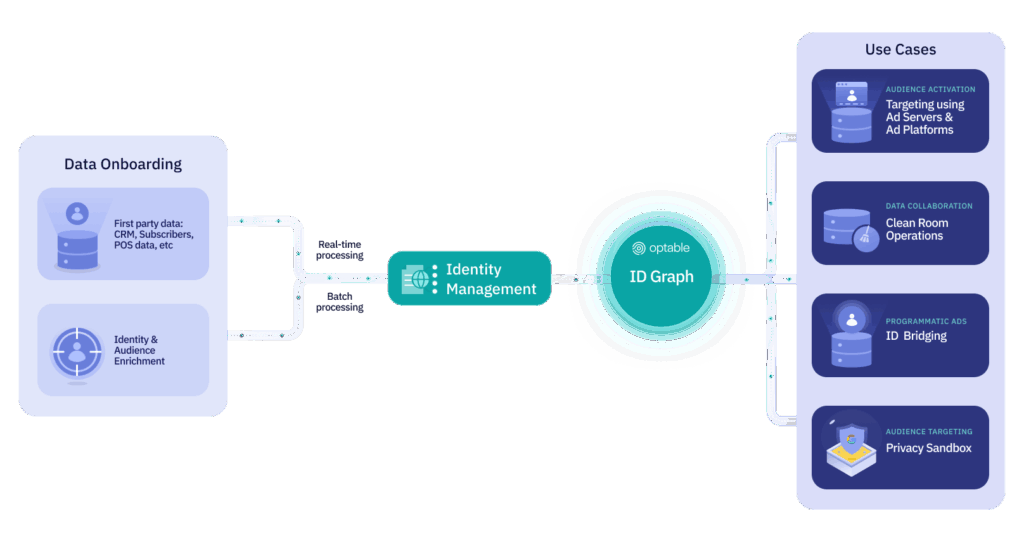
Building an effective publisher revenue architecture requires carefully selected technology that integrates into a coherent system. The stack includes several critical categories.
Core Infrastructure includes robust content management systems optimized for performance and SEO, fast hosting with CDN for global delivery, header bidding wrappers (Prebid.js or managed solutions), ad servers (Google Ad Manager or alternatives), and analytics platforms (Google Analytics 4 plus specialized tools).
Data and Identity encompasses customer data platforms for unified user profiles, data management platforms for audience segmentation, consent management platforms for privacy compliance, identity resolution solutions (UID2, LiveRamp, etc.), and email service providers with advanced segmentation.
Monetization Tools includes supply-side platforms for programmatic advertising, affiliate tracking and management platforms, subscription and paywall systems, newsletter platforms with monetization features, and ecommerce platforms for product sales.
Optimization and Testing covers A/B testing platforms for systematic experiments, heatmaps and session recording for UX insights, page speed testing and monitoring tools, SEO platforms for organic growth, and business intelligence tools for comprehensive reporting.
Publishers should evaluate technology based on integration capabilities, not just individual features. The best tool in isolation becomes problematic if it doesn’t integrate with your broader architecture. Prioritize platforms with robust APIs, standard data formats, and proven integration with other tools in your stack.
Measuring Publisher Revenue Architecture Success
Effective measurement requires metrics that reflect architectural performance, not just individual tactics. The measurement framework spans multiple dimensions.
Revenue Efficiency Metrics include revenue per visitor (RPV), measuring total revenue divided by unique visitors, revenue per session, measuring income generated per user session, revenue per subscriber, measuring email list monetization effectiveness, revenue per content piece, measuring content ROI, and cost per dollar earned, measuring operational efficiency.
Infrastructure Performance tracks Core Web Vitals scores across all pages, page load times, and their revenue correlation, header bidding timeout and fill rate optimization, ad viewability rates and their impact on CPMs, and system uptime and reliability metrics.
Audience Quality Indicators include engagement metrics (time on site, pages per session, bounce rate), retention rates and return visitor percentage, email open rates and click-through rates, subscription conversion rates, and lifetime value by acquisition channel.
Revenue Stream Health measures individual stream contribution and growth, cross-stream synergies and conflicts, diversification ratios to avoid over-dependence, growth trends and seasonality patterns, and margin analysis by revenue source.
Strategic Indicators track first-party data collection rates and identity resolution, privacy compliance, and addressable inventory percentage, competitive positioning and market share, innovation pipeline and new stream testing, and team capability development.
Publishers should establish baseline metrics during the assessment phase, then track improvements quarterly. The goal is not perfection on any single metric but sustained improvement across the integrated system. Publishers with mature revenue architecture typically see 150-300% improvements over 12-24 months.
Common Publisher Revenue Architecture Mistakes and How to Avoid Them
Publishers frequently make preventable mistakes when building revenue architecture. Understanding these pitfalls helps avoid costly errors.
Mistake 1: Optimizing Individual Tactics Without System Integration. Publishers implement header bidding but don’t optimize their broader ad tech stack. They launch newsletters but don’t integrate with content strategy. They add affiliate links that conflict with display advertising. The fix is treating monetization as an integrated system where changes in one area affect performance elsewhere.
Mistake 2: Prioritizing Traffic Growth Over Audience Value. Publishers chase pageviews without understanding that engaged visitors generate 3-7x more revenue than drive-by traffic. They optimize for viral traffic that bounces instead of loyal audiences that monetize. The solution is shifting focus to revenue per visitor rather than total visitors.
Mistake 3: Technology Stack Complexity Without Integration. Publishers add tools without ensuring they work together, creating fragmented data and operational inefficiency. The fix is prioritizing integration over features and consolidating tools where possible.
Mistake 4: Neglecting Data Infrastructure. Publishers ignore first-party data collection until cookie deprecation forces emergency responses. They lack unified user understanding across touchpoints. The solution is treating data infrastructure as foundational, not optional.
Mistake 5: Insufficient Testing and Optimization. Publishers implement strategies once without systematic improvement. They make decisions based on assumptions rather than data. The fix is building continuous optimization into operations.
Mistake 6: Ignoring Page Experience and Core Web Vitals. Publishers sacrifice user experience for ad density, then wonder why traffic decreases and CPMs decline. The solution is balancing monetization with experience, recognizing that better UX often generates more revenue long-term.
Mistake 7: Over-Dependence on Single Revenue Streams. Publishers rely too heavily on display advertising or subscriptions, creating vulnerability to market changes. The fix is strategic diversification across complementary revenue streams.
The Future of Publisher Revenue Architecture
Publisher revenue architecture will continue evolving as technology and markets change. Several trends will shape the future landscape.
AI-Powered Optimization will automate many manual optimization tasks, using machine learning to optimize ad placements, content recommendations, pricing strategies, and audience segmentation in real-time. Publishers will shift from tactical optimization to strategic direction, letting AI handle routine improvements.
Identity Solutions Evolution will move beyond cookies to durable identity frameworks based on authenticated users, first-party relationships, and privacy-preserving collaboration. Publishers with strong first-party data and identity capabilities will command premium rates.
Integrated Commerce Media will blur lines between content, advertising, and commerce. Publishers will embed shopping experiences directly in content, earning commissions while providing value to readers. The integration of retail media networks with publisher content creates new high-margin revenue opportunities.
Sophisticated Audience Segmentation will enable hyper-personalized monetization where each user sees optimized content and advertising based on their preferences, behavior, and value. Publishers will monetize different segments through different strategies simultaneously.
Privacy-First Architecture will become mandatory as regulations tighten globally. Publishers who build privacy-respectful systems while maintaining monetization effectiveness will thrive while competitors struggle with compliance.
Blockchain and Web3 Opportunities may enable new revenue models, including NFT-based memberships, token-gated content, creator economies with direct-to-fan monetization, and transparent revenue sharing through smart contracts.
Publishers who build flexible revenue architecture can adapt to these changes more easily than those locked into rigid systems. The architecture approach creates resilience through modular, integrated design that accommodates future innovations.
Getting Started With Publisher Revenue Architecture
Starting your publisher revenue architecture journey requires commitment but delivers transformative results. The pathway depends on your current situation and resources.
For Small Publishers (Under 100K Monthly Visitors): Focus on foundation-building, including implementing basic analytics and tracking, setting up email collection and newsletter, choosing one optimization area (usually content or ads), and establishing systematic processes for content and promotion. The goal is building good habits and infrastructure that scales as you grow.
For Mid-Size Publishers (100K-1M Monthly Visitors): Implement comprehensive monetization, including optimizing header bidding and ad operations, developing first-party data capabilities, diversifying beyond display advertising, and building testing frameworks for continuous improvement. This size typically sees the highest ROI from architecture improvements.
For Large Publishers (1M+ Monthly Visitors): Focus on sophistication and efficiency, including advanced programmatic strategies and direct deals, comprehensive audience data platforms, multiple integrated revenue streams, team specialization and capability development, and advanced automation and AI deployment. Large publishers benefit most from operational excellence and strategic integration.
Regardless of size, start with assessment, implement quick wins to build momentum, develop strategic infrastructure systematically, and establish ongoing optimization as your operating model. Publishers who commit to this approach consistently outperform competitors who continue tactical, fragmented approaches to monetization.
Publisher Revenue Architecture as Competitive Advantage
Publisher revenue architecture represents the future of digital publishing monetization. As markets mature and competition intensifies, publishers need systematic approaches that create sustainable advantages. The architecture framework provides that approach.
The difference between thriving publishers and struggling operations increasingly comes down to architecture. Publishers with integrated revenue systems, robust data infrastructure, optimized technology stacks, and continuous improvement cultures generate 40-60% more revenue per visitor than competitors with fragmented approaches.
Building publisher revenue architecture requires investment in technology, processes, and capabilities. But the ROI justifies the effort. Publishers implementing comprehensive architecture typically see 150-300% improvements in organic traffic and revenue within 12-24 months. More importantly, they build resilient businesses that adapt to changing markets rather than react to crises.
The question isn’t whether to adopt publisher revenue architecture, it’s whether you can afford not to. As competition increases and margins compress, systematic advantages become essential for survival. Publishers who treat monetization as an engineering challenge requiring strategic design will thrive. Those who continue tactical, fragmented approaches will struggle.
Start building your publisher revenue architecture today. Begin with assessment, implement quick wins, develop strategic infrastructure, and establish continuous optimization. The journey transforms not just your revenue but your entire publishing operation, creating sustainable competitive advantage in an increasingly challenging landscape.

How AI is Transforming Luxury Brand Advertising
In the rarified world of ultra-luxury, where a Hermès Birkin bag commands upwards of $150,000 and a Rolls-Royce Phantom starts at over $517,000, brand positioning is everything. These aren’t mere purchases; they’re statements of identity, legacy investments, and symbols of unparalleled craftsmanship. Yet even in this exclusive arena, a quiet revolution is underway, powered by artificial intelligence and transforming how luxury brands connect with their discerning clientele.
The AI Advantage: Enterprise Benefits That Drive Real ROI
The integration of AI into enterprise advertising operations has moved far beyond experimental pilot programs. Organizations investing deeply in AI-driven marketing strategies are witnessing sales ROI improvements of 10-20% on average, with leading companies achieving 1.5 times higher revenue growth compared to their peers. For luxury brands operating on substantial marketing budgets, these improvements translate into millions in additional revenue.
Hyper-Personalization at Scale
The modern luxury consumer expects nothing less than bespoke experiences. AI enables brands to deliver precisely that, but at a scale previously unimaginable. Rather than broad demographic targeting, AI algorithms analyze behavioral patterns, purchase history, and real-time signals to create dynamic content tailored to individual preferences.
Consider how brands like Louis Vuitton and Gucci leverage AI for personalized recommendations. Their systems process browsing behavior, device type, geolocation, and time of day to deliver micro-targeted messages that resonate with each customer’s unique journey. This level of personalization drives remarkable results: personalized calls to action outperform generic versions by 202%.
For luxury brands, this means moving beyond mass marketing to create genuine one-to-one relationships. AI enables what traditional methods could never achieve: individualized experiences for millions of customers simultaneously, maintaining the intimacy of boutique service while operating at a global scale.
Predictive Analytics and Customer Insights
The ability to anticipate customer needs before they materialize represents one of AI’s most powerful capabilities for luxury brands. Predictive analytics transforms historical sales data into actionable forecasts, improving accuracy by 10-20% while minimizing inventory risks.
Leading luxury retailers now employ sophisticated machine learning models that decode consumer behavior patterns with 68% greater accuracy than traditional decision-making methods. These systems identify emerging preference indicators across multiple touchpoints, enabling brands to anticipate shifts in consumer tastes with remarkable precision.
For ultra-luxury automotive brands like Bentley and Rolls-Royce, which sold 13,560 and 6,032 vehicles respectively in 2023, this predictive capability proves invaluable. Understanding which configurations, colors, and features will appeal to specific customer segments allows for optimized inventory management and enhanced customer satisfaction.
Operational Efficiency and Cost Optimization
Organizations leveraging marketing automation experience a 25-30% boost in productivity, significantly speeding up time-to-market while minimizing human error across campaigns. AI handles the time-consuming, repetitive tasks that once consumed marketing teams’ bandwidth: audience segmentation, campaign execution, performance reporting, and real-time optimization.
This efficiency gain becomes particularly valuable in competitive sectors with high customer acquisition costs. Brands using AI-driven advertising see cost per acquisition reductions of up to 30% compared to traditional methods. When targeting affluent consumers through high CPC keywords, where clicks can cost $50 or more in competitive niches like luxury goods, this efficiency directly impacts the bottom line.
Real-Time Campaign Optimization
Unlike traditional advertising approaches requiring manual adjustments, AI-powered systems continuously assess performance and reallocate budgets automatically to maximize effectiveness. Algorithms monitor which audiences respond, optimal delivery times, and most effective creative elements, adjusting campaigns in real-time based on performance data.
For luxury brands running multi-channel campaigns across search, display, social media, and programmatic platforms, this capability ensures consistent messaging while optimizing spend across channels. Brands can now execute sophisticated omnichannel strategies that maintain exclusivity while reaching consumers wherever they engage with digital content.
Masters of Desire and Distinction of Ultra-Luxury Brands

The ultra-luxury sector encompasses brands that have transcended mere products to become cultural icons. Understanding how these marquee names approach advertising provides valuable insights into high-value marketing strategies.
Haute Couture and Fashion Houses
Chanel maintains an Instagram following of nearly 50 million through strategic consistency and highly curated aesthetics. Every post reflects timeless elegance, featuring cohesive themes, editorial-style photography, and iconic brand ambassadors. The brand treats Instagram as a digital extension of its heritage, reinforcing its position as a cultural icon.
Louis Vuitton excels in multi-format content strategy, particularly leveraging Reels to tell brand stories tied to seasonal campaigns. Their strategic use of hashtags and mentions of designers and collaborators boosts reach while reinforcing partnership prestige. With careful attention to compelling captions that balance elegance with engagement, Louis Vuitton demonstrates how luxury brands can use social media as a branding and engagement platform without compromising exclusivity.
Dior captured 13.83% of total luxury search interest online in 2023, beating rivals like Chanel, Gucci, and Louis Vuitton. Their digital strategy embraces a bold social media presence boasting 50 million Instagram followers, 25 million on Facebook, and 10 million on X. The brand teams simultaneously with numerous celebrities, from Robert Pattinson and Anya Taylor-Joy to Jenna Ortega and footballer Kylian Mbappé, maintaining relevance across diverse demographics.
Gucci transformed luxury marketing under Alessandro Michele’s creative direction by embracing bold, quirky designs and gender-fluid fashion. Their “Hacker Project” collaboration with Balenciaga symbolized how luxury can evolve while retaining heritage. The brand’s authentic approach to social media, including casual TikTok content that connects with Gen Z, demonstrates that luxury marketing isn’t solely about polished campaigns; it’s about creating moments of relatability.
Jewelry Beyond Price Haute Joaillerie
Cartier, founded in 1847, is known as the “Jeweller of Kings.” The brand’s Love Bracelet and Panthère collection carries universal appeal with sleek, structured aesthetics. Cartier jewelry is luxurious yet versatile enough for everyday wear, with pieces starting at £5,000 and extending well into six figures for diamond-encrusted masterpieces. The brand captures approximately 8% of the luxury watch market, generating over $3.6 billion in annual sales.
Van Cleef & Arpels offers whimsical elegance through their iconic Alhambra collection, featuring clover motifs inspired by luck and natural beauty. Their pieces, starting at £4,200, represent a perfect balance of playfulness and luxury craftsmanship. The brand’s approach emphasizes artistic storytelling, with each piece conveying narrative depth that resonates with collectors.
Tiffany & Co. embodies American elegance with a heritage steeped in love and commitment. From the legendary Tiffany Setting engagement ring to the sleek T Bracelet, their pieces celebrate modern simplicity. The iconic Tiffany Blue packaging has become synonymous with luxury gifting. With pieces starting at £1,800, Tiffany maintains accessibility within the luxury segment while offering diamond-studded creations that command premium prices.
Horological Excellence Luxury Timepieces
Rolex dominates the luxury watch market with a 32% share, selling approximately 1.176 million watches in 2024 for estimated sales exceeding $12 billion. Models like the Daytona, Submariner, and GMT-Master II have become cultural icons. The brand’s limited production and global demand ensure strong resale value, with some models appreciating 8-12% annually. The Daytona Ref. 116500LN retails at $13,000 but often sells for $30,000 on the secondary market.
Patek Philippe represents the pinnacle of haute horlogerie for serious collectors. The brand sold approximately 72,000 watches in 2024, achieving $2.3 billion in sales with an average retail price of $ 32,000. The discontinued Nautilus Ref. 5711, once retailing for $30,000-$38,000, has traded for over $100,000 in the secondary market. Patek’s heritage and craftsmanship make it a top investment choice, with some models appreciating 207% from 2017-2022.
Richard Mille occupies a unique position as the most expensive of luxury watch brands. The company sold only 5,700 watches in 2024 but reached nearly $1.55 billion in sales, with an average retail price of approximately $310,000. These avant-garde timepieces combine cutting-edge materials with technical innovation, appealing to collectors who view watches as wearable art and engineering marvels.
Engineering Perfection of Ultra-Luxury Automobiles
Rolls-Royce represents the apex of automotive luxury. The 2025 Phantom starts at approximately $517,750, but with bespoke customization options from personalized paint finishes to custom interior materials, prices easily exceed $700,000. The brand sold 6,032 vehicles in 2023, celebrating its most successful year on record. Rolls-Royce laughs in the face of mediocrity, insisting on delivering only the most sublime and exclusive experiences.
Bentley offers a more varied pricing structure while maintaining ultra-luxury positioning. The 2025 Flying Spur entry-level V6 hybrid starts at around $235,000, with the V8 model at approximately $250,000 and the W12-powered version commanding premium pricing. Bentley sold 13,560 models in 2023, with the Bentayga SUV accounting for 44% of sales. The brand successfully balances luxury with driver-focused performance.
Ferrari remains the unquestionable leader in the luxury sports car segment, synonymous with character, power, and elegance. The SF90 hypercar, with its 989-horsepower hybrid powertrain combining a 769-hp V-8 with three electric motors, starts at $593,950. The even more track-focused SF90 XX model delivers 1,016 horsepower with pricing approaching $1 million. Ferrari’s rich motorsports heritage, 16 constructor championships, 15 driver championships, and over 230 Formula 1 victories reinforce the brand’s performance credentials.
Lamborghini burst into the luxury car industry following founder Ferruccio Lamborghini’s confrontation with Enzo Ferrari. The new Revuelto flagship model features a mid-mounted V-12 augmented by electric motors to produce 1,001 horsepower, starting at $608,358. The styling remains as wild as you’d expect from a flagship Lambo, with rear-wheel steering and torque vectoring at each corner to improve agility. Lamborghini’s commitment to dramatic design ensures its vehicles remain poster-worthy icons.
Investment Pieces of Prestige Handbags
Hermès Birkin bags represent perhaps the ultimate luxury status symbol. In July 2025, Jane Birkin’s original Hermès Birkin sold for $10.1 million at Sotheby’s Paris, setting the world record for any handbag ever sold. The Himalaya Birkin, crafted from Niloticus crocodile skin with a distinctive white-to-grey gradient, consistently commands premium pricing. A Diamond Himalaya Birkin 30 sold for over $450,000 in 2022.
Standard Birkin models in Togo leather retail for approximately $12,500 but sell for $25,000-$30,000 in pristine condition on the secondary market. The Faubourg Birkin, released in 2019 as an homage to the Hermès storefront on Rue du Faubourg Saint Honoré, commands even higher premiums, with the white “Snow” version selling for over $220,000.
Louis Vuitton maintains a significant position in the luxury handbag market, though individual piece prices remain more accessible than Hermès. The brand’s iconic monogram, innovative collaborations, and extensive product range make it one of the world’s most valuable luxury brands, with brand value growing 14% in 2019.
AI-Powered Luxury Marketing with Advanced Capabilities

Modern luxury brands are leveraging multiple AI technologies to create seamless, personalized customer experiences across all touchpoints, and broos.io is powering the same technology.
Conversational AI and Chatbots
AI-powered chatbots enhance luxury brands by offering personalized interactions, handling customer inquiries, and improving service standards. These virtual assistants provide round-the-clock assistance, boosting engagement while optimizing operations.
Luxury chatbots can offer personal shopping assistance, provide exclusive product information, send event invitations to VIP customers, allow real-time order tracking, and support multiple languages for international clientele. By collecting customer preferences and analyzing data, these systems deliver increasingly personalized shopping experiences.
Brands like Louis Vuitton and Gucci employ AI-driven chatbots to answer queries about products, suggest items based on previous purchases and browsing history, and maintain consistent communication that fosters brand loyalty.
Dynamic Pricing Optimization
AI-driven dynamic pricing enables luxury brands to automate pricing strategies while maintaining brand equity. These systems analyze demand patterns, competitor rates, inventory status, and nuanced customer behaviors to craft pricing strategies that respond dynamically.
For luxury brands, AI pricing tools provide:
- Predictive analytics that forecast demand based on historical sales data and market trends
- Personalized pricing based on individual consumer profiles and purchasing history
- Competitive pricing analysis, monitoring competitors’ prices in real-time
- Price optimization algorithms determine the best price points considering cost, demand elasticity, and willingness to pay
Luxury brands must balance data-driven pricing with maintaining prestige positioning. AI enables this delicate balance by identifying opportunities for strategic discounting (such as end-of-season sales) while protecting core product pricing that maintains exclusivity.
Content Creation at Scale
AI content generation empowers enterprise marketers to scale efforts while preserving quality and brand integrity. Organizations implementing comprehensive content AI strategies report an average 44% increase in marketing ROI, with leading adopters achieving returns as high as 3.7x for every dollar invested.
The AI content creation market reached $14.84 billion in 2024 and is projected to soar to $80.12 billion by 2030, representing a 32.5% compound annual growth rate. For luxury brands managing content across multiple channels, markets, and languages, AI dramatically reduces production timelines while maintaining consistency.
AI accelerates content creation by generating initial drafts, brainstorming ideas, and maintaining tone and style. For enterprises spreading messaging globally, AI-driven content translation and localization make reaching broader audiences faster and simpler while respecting cultural nuances essential to luxury positioning.
Customer Segmentation Excellence
Machine learning excels in customer segmentation, precisely identifying customer groups based on multifaceted criteria. Unlike manual segmentation that takes months and lacks precision, ML algorithms can analyze vast datasets to discern intricate patterns in customer behavior.
For luxury brands, sophisticated segmentation enables:
- Behavioral pattern recognition, identifying high-value customers and potential VIPs
- Predictive churn analysis flagging at-risk customers for retention campaigns
- Purchase propensity modeling, identifying which customers are most likely to respond to specific offers
- Lifecycle stage targeting, delivering appropriate messaging based on customer journey position
Recent research identifies seven distinct luxury shopper archetypes: Icon Collector, Fashion-Forward Icon, Power Patron, Quiet Luxury Enthusiast, Statement Collector, Status Shopper, and Bespoke Aficionado. Machine learning enables brands to classify customers into these segments and tailor communications accordingly automatically.
The Future of Luxury Advertising
As AI continues to evolve, its influence in luxury marketing will deepen. Brands achieving success balance data-driven strategies with their storied heritage, leveraging technology’s insights while maintaining the human touch that defines luxury.
The organizations that will lead tomorrow’s luxury market are those implementing AI ethically and strategically. They use predictive analytics to anticipate customer needs, deliver hyper-personalized experiences at scale, optimize campaigns in real-time, and maintain the exclusivity and craftsmanship that define true luxury.
For enterprise marketers in the luxury sector, the message is clear: AI is no longer optional. It’s the competitive advantage that separates market leaders from those left behind. The question isn’t whether to adopt AI for advertising, it’s how quickly and effectively you can implement it to serve your most discerning customers.
In a world where a Patek Philippe Nautilus appreciates 207% in five years, where Hermès Birkin bags sell at auction for $10 million, and where Rolls-Royce celebrates record sales while maintaining ruthless exclusivity, the brands that master AI-powered advertising will be those that thrive in the decades ahead.
The revolution is here. The tools are available. The returns are measurable. For luxury brands ready to embrace this transformation, the opportunities are as limitless as the desires of their most sophisticated clientele.
Why Broos.io is Revolutionizing African Advertising Success
The African Market Reality Check
Picture this scenario: You launch what seems like the perfect advertising campaign across Africa’s fastest-growing economies. Your budget is substantial, your creative is polished, and your targeting appears precise. Three months later, the results are devastating. Conversion rates are abysmal, costs per acquisition have skyrocketed, and worst of all, you discover that nearly 40% of your budget went to bot traffic and fraudulent impressions.
This nightmare scenario plays out daily across African markets, where traditional advertising networks have failed to address fundamental challenges unique to the continent. While global ad spending surges past $1.1 trillion annually, African advertisers continue struggling with platforms designed for Western markets, cultural disconnection, and transparency issues that would be considered scandalous in any other industry.
The statistics paint a sobering picture. Research indicates that 36% of display advertising is fraudulent or invalid, with bot traffic accounting for nearly half of all internet activity. In programmatic advertising specifically, 15% of advertiser spend simply vanishes into an “unknown delta” with no accountability whatsoever. For African advertisers, these challenges are compounded by cultural misalignment, currency conversion losses, and support systems that operate across incompatible time zones.
The Cultural Connection Crisis
African consumers demonstrate distinct purchasing behaviors that traditional global platforms consistently misunderstand. Recent consumer research reveals that 72% of African consumers are willing to pay more for locally produced products, despite 57% believing global brands offer superior quality. This paradox creates a unique opportunity for culturally intelligent advertising platforms.
The data becomes even more compelling when examining regional preferences. In South Africa, consumers demonstrate 84% better response rates to culturally relevant content compared to generic international campaigns. Kenyan digital advertising spending is experiencing the world’s fastest growth rate at 17.4% annually, driven primarily by locally resonant messaging. Nigerian retail search advertising accounts for 27.3% of total paid search revenue, significantly higher than other African markets, indicating sophisticated local consumer behavior.
Traditional platforms struggle with this cultural nuance because their algorithms and targeting systems were designed for Western consumer behavior patterns. When a global platform attempts to serve ads to Zambian consumers using targeting data optimized for American purchasing habits, the disconnect becomes immediately apparent in campaign performance metrics.
The Trust and Authenticity Advantage
African consumers place extraordinary value on authentic local voices. Social media influence drives 58% of African purchasing decisions, compared to the global average of 44%. This represents a massive opportunity for platforms that can connect advertisers with genuine local content creators and trusted community voices.
Consider the success of localized campaigns across the continent. KFC South Africa’s collaboration with local illustrator Karabo Poppy generated massive social media engagement through culturally authentic creative partnerships. Nando’s political satire campaigns consistently achieve viral status because they demonstrate a deep understanding of local social dynamics. Coca-Cola’s “Share a Coke” campaign succeeded in South Africa specifically because it featured local names and cultural references that resonated authentically with diverse communities.
These successes highlight a crucial insight: African consumers can immediately detect authentic local engagement versus generic international messaging. The difference translates directly into conversion rates, brand loyalty, and long-term customer value.
The Mobile-First Opportunity
Africa represents the world’s fastest-growing mobile market, with 96.8% of Kenyan internet users accessing platforms via mobile devices. Mobile advertising spending globally reached $447 billion in 2025, with in-app advertising commanding $390 billion of that total. Yet most traditional advertising platforms remain optimized for desktop experiences, missing the primary touchpoint for African consumers.
Mobile money transactions across Africa reached $912 billion in 2024, indicating sophisticated digital payment adoption that traditional advertising platforms fail to leverage. When campaigns can integrate seamlessly with mobile money systems for immediate purchasing, conversion rates improve dramatically. This integration requires a deep understanding of African financial infrastructure that global platforms simply cannot provide.
The Economics of Advertising Waste
Traditional programmatic advertising operates through complex supply chains involving multiple intermediaries, each extracting fees that reduce campaign effectiveness. Publishers typically receive only 50% of what advertisers actually pay, with the remainder consumed by hidden markups, undisclosed fees, and supply chain inefficiencies.
For African campaigns, these inefficiencies become magnified. Currency conversion fees, international banking charges, and cross-border transaction costs further erode campaign budgets. A $10,000 campaign budget might deliver only $4,000 in actual advertising value after all intermediaries extract their fees.
Direct publisher relationships eliminate these inefficiencies entirely. When advertisers can work directly with verified local publishers, budgets stretch significantly further while delivering superior results through authentic cultural connections.
The Broos.io Revolution
Broos.io represents a fundamental shift from traditional advertising approaches. Rather than adapting global platforms for African markets, Broos.io was designed from inception specifically for African advertising realities.
Verified Human Traffic Systems
While traditional platforms struggle with bot detection across diverse African internet infrastructure, Broos.io employs human verification systems tailored specifically for African traffic patterns. Publishers undergo rigorous vetting processes that verify both technical capabilities and cultural authenticity.
Cultural Intelligence Integration
The platform connects advertisers directly with local content creators who understand cultural nuances across 16+ African markets. This isn’t algorithmic targeting based on demographic data—it’s genuine cultural intelligence that drives authentic engagement.
Transparent Financial Systems
Every advertising dollar is tracked from initial budget allocation through final publisher payout. Real-time dashboards show exactly where money goes, eliminating the mystery that plagues traditional programmatic advertising.
Mobile Money Integration
Native support for African payment systems enables immediate conversion opportunities that traditional platforms cannot match. When consumers can complete purchases through familiar payment methods, conversion rates improve exponentially.
Measurable Performance Advantages
Early adopter campaigns on Broos.io demonstrate remarkable performance improvements compared to traditional platforms:
Cost Efficiency Gains
Advertisers typically experience a 30-50% reduction in cost per acquisition through the elimination of intermediary fees and reduced fraud exposure. These savings compound over campaign duration, enabling significantly expanded reach within identical budgets.
Engagement Quality Improvements
Authentic cultural connections drive 2x improvement in genuine engagement rates. Comments, shares, and click-through rates reflect actual human interest rather than automated activity.
Conversion Optimization
Direct publisher relationships enable real-time campaign optimization based on immediate performance feedback. Traditional platforms require days or weeks for algorithmic adjustments, while Broos.io enables same-day optimization through direct communication channels.
Attribution Accuracy
Mobile-optimized tracking systems provide precise attribution data across African internet infrastructure challenges. Advertisers gain clear visibility into which touchpoints drive actual conversions rather than vanity metrics.
Strategic Implementation Framework
Successful migration to Broos.io requires strategic planning that maximizes performance while minimizing disruption to existing campaigns.
Phase One Assessment
Begin with a comprehensive audit of current campaign performance across traditional platforms. Document cost per acquisition, engagement rates, and conversion metrics for baseline comparison. Identify top-performing audience segments and geographic markets for initial Broos.io testing.
Phase Two Pilot Testing
Launch parallel campaigns targeting identical audiences through both traditional platforms and Broos.io. Allocate 20-30% of budget to Broos.io testing while maintaining existing campaigns for comparison. Monitor performance metrics daily to identify optimization opportunities.
Phase Three Optimization
Based on pilot results, refine targeting, creative, and budget allocation strategies. Collaborate directly with top-performing publishers to develop culturally optimized content. Implement mobile money integration for immediate conversion opportunities.
Phase Four Scale-Up
Gradually shift budget allocation based on demonstrated performance improvements. Establish long-term partnerships with verified publishers for consistent campaign execution. Develop Africa-specific content strategies that leverage cultural intelligence insights.
Competitive Positioning Analysis
Understanding competitive advantages requires examining specific platform capabilities rather than generic feature comparisons.
Versus Google Ads/AdSense
Google commands 99% of paid search spending in South Africa, indicating market dominance but also revealing monopolistic pricing power. Broos.io offers competitive CPCs with superior cultural targeting that traditional keyword-based systems cannot match.
Versus Facebook/Meta Advertising
Meta’s social advertising dominates African social media spend, but algorithmic targeting often misinterprets cultural context. Broos.io’s human-verified publisher network provides authentic social proof that algorithmic systems cannot replicate.
Versus Programmatic Platforms
Traditional programmatic advertising optimizes for scale rather than quality, resulting in fraud exposure and cultural misalignment. Broos.io prioritizes quality through direct relationships while maintaining scalability through verified publisher networks.
Long-term Strategic Value
Beyond immediate performance improvements, Broos.io provides strategic advantages that compound over time.
Market Intelligence Development
Direct relationships with local publishers provide invaluable market intelligence about consumer behavior trends, cultural shifts, and emerging opportunities. This intelligence becomes increasingly valuable for product development and market expansion strategies.
Brand Authenticity Building
Consistent collaboration with trusted local voices builds genuine brand authenticity that cannot be purchased through traditional advertising. Authentic brand relationships drive customer loyalty that survives competitive pressure and market volatility.
Regulatory Compliance Assurance
Local publisher networks understand regulatory environments across diverse African markets, ensuring campaign compliance with evolving digital advertising regulations. This reduces legal exposure while maintaining campaign effectiveness.
Investment Protection Strategy
Migrating advertising spend represents a significant investment that requires protection through diversification and performance monitoring.
Portfolio Approach
Maintain diversified advertising portfolios that include both traditional and innovative platforms during transition periods. This reduces risk while enabling performance comparison and optimization.
Performance Benchmarking
Establish clear performance benchmarks that justify continued investment based on measurable results rather than industry assumptions. Regular performance reviews ensure budget allocation reflects actual results rather than historical preferences.
Scaling Protocols
Develop systematic scaling protocols that increase Broos.io investment based on demonstrated performance improvements. This ensures sustainable growth while maintaining campaign profitability.
Future Market Evolution
African advertising markets will continue evolving toward platforms that demonstrate cultural intelligence, transparency, and authentic engagement capabilities.
Consumer Behavior Trends
African consumers increasingly demand authentic brand interactions that reflect local values and cultural understanding. Platforms that enable these connections will capture growing market share from generic global alternatives.
Regulatory Environment Changes
African governments are implementing digital advertising regulations that favor transparency and local economic development. Platforms that operate transparently with local publisher networks will benefit from regulatory advantages.
Technology Infrastructure Improvements
Expanding mobile internet access and payment system integration creates new opportunities for sophisticated advertising targeting and conversion optimization. Platforms designed specifically for African infrastructure will outperform adapted global solutions.
The Strategic Imperative
The African advertising landscape offers extraordinary opportunities for brands that understand cultural dynamics, embrace technological innovation, and prioritize authentic engagement over generic reach metrics.
Broos.io represents more than platform selection—it’s strategic positioning for market leadership in Africa’s rapidly expanding digital economy. Early adopters will establish competitive advantages through authentic community relationships, superior conversion performance, and cultural intelligence that cannot be replicated through traditional advertising approaches.
The question facing advertisers today isn’t whether to explore African-specific advertising platforms—it’s whether to lead market evolution or follow competitors who recognize these opportunities first.
African markets reward authenticity, transparency, and cultural intelligence. Broos.io provides the infrastructure, relationships, and capabilities necessary to succeed in these dynamic markets while traditional platforms struggle with challenges they cannot fundamentally address.
The advertising revolution is already underway. The only remaining question is whether you’ll participate as a leader or observer.

The Future of Content Monetization and Advertising is Almost Here
For too long, content creators have struggled to turn passion into income, while advertisers waste money on clicks that don’t convert. The gap between creators and advertisers has been filled with middlemen, bot traffic, and platforms that take more than they give.
At Broos.io, we believe it’s time for something different.
We’re building a transparent, fair, and powerful ecosystem where:
- Creators can monetize their blogs, videos, and digital content directly.
- Advertisers can run campaigns with full trust, reaching real humans, not bots.
- Both sides win with a system that rewards engagement and quality, not manipulation.
- Developers have access to the enterprise-level tools and affordable rates.
Why Pre-Apply Now?
We’re officially preparing for launch, and this is your chance to be part of the first wave of users:
- Creators → Secure your account and be among the first to earn from your content.
- Advertisers → Get early access to our transparent ad marketplace.
- Developers → Get early access to our tools and APIs.
When you pre-apply, we’ll pre-register your account so that once we go live, you’ll only need to finalize your profile and start using the platform immediately.
How to Pre-Apply
- Click the link below.
- Fill out the short pre-application form.
- Join the Broos.io early adopter community.
Be Part of the Change
Broos.io isn’t just another ad network or monetization tool. It’s a movement to give creators the income they deserve and give advertisers the trust they need.
This is your chance to be part of something from day one. Don’t miss it.
Early adopters will always be special in our journey. We’re building Broos.io with you, for you.

How Technology is Revolutionizing Businesses From Enterprise Geo APIs
In today’s fast-changing business world, technology is the ultimate growth driver. Whether you run a small startup or manage a global corporation, leveraging the right tech tools can streamline operations, boost efficiency, and open doors to new markets. Two powerful areas transforming the way companies operate are enterprise geo APIs and digital marketing.
In this article, we’ll explore how these innovations work, why they matter, and how businesses can use them to achieve sustainable growth.
1. What is an Enterprise Geo API and How Does it Work?
An enterprise geo API (Application Programming Interface) is a tool that lets businesses integrate real-time location and mapping data into their systems. This could include addresses, GPS coordinates, route optimization, and location-based analytics.
How it works:
• The API collects location-based data.
• It connects that data to your app, website, or internal system.
• Your business can then use that information for decision-making, customer service, and operational efficiency.
2. Benefits of Enterprise Geo APIs for Businesses
Integrating an enterprise geo API into your operations can bring significant advantages:
a) Smarter Logistics and Delivery
Geo APIs help optimize delivery routes, track shipments in real time, and reduce transportation costs — a game-changer for e-commerce, retail, and food delivery services.
b) Improved Customer Experience
Offer customers store locators, live delivery updates, and location-based offers to make shopping more convenient and personalized.
c) Data-Driven Market Analysis
Identify high-demand areas, tailor your marketing campaigns, and plan expansions with accurate geographic insights.
d) Compliance and Safety
Ensure deliveries follow legal restrictions and avoid restricted zones, reducing the risk of fines or delays.
Example:
A courier company could use an enterprise geo API to let customers track packages live, while also allowing managers to monitor driver performance and adjust delivery routes instantly.
3. Why Digital Marketing is Vital for Online Businesses
With more consumers shopping online than ever before, digital marketing has become essential for attracting and retaining customers. It allows brands to reach specific audiences, track campaign results, and adjust strategies in real time.
a) Key Benefits of Digital Marketing
• Wider Reach at Lower Cost – Run targeted campaigns globally without the huge expense of traditional advertising.
• Data-Driven Strategies – Track customer behavior, clicks, and conversions for better decision-making.
• Personalized Engagement – Use customer data to send tailored recommendations and offers.
• Multi-Platform Presence – Stay visible on social media, search engines, and email inboxes.
b) Popular Digital Marketing Strategies
• Social Media Marketing – Build brand awareness and run targeted ads on Instagram, Facebook, and TikTok.
• Search Engine Optimization (SEO) – Improve your website’s ranking on Google to attract organic traffic.
• Pay-Per-Click Advertising (PPC) – Drive instant traffic to your site with Google Ads and Facebook Ads.
• Content Marketing – Publish blogs, videos, and infographics to attract and educate customers.
• Email Marketing – Send personalized messages to nurture leads and boost repeat purchases.
Example:
An online fashion store could run Instagram ads targeting women aged 18–35 in urban areas, then use analytics to refine ad creatives and improve ROI.
4. Combining Enterprise Geo APIs and Digital Marketing for Maximum Impact
When businesses combine location intelligence with smart marketing, the results can be powerful:
• Use geo APIs to detect customer locations and show region-specific shipping times and costs.
• Target ads to specific cities or neighborhoods where demand is highest.
• Analyze sales data by location to plan store openings or pop-up events.
This approach not only helps businesses market more effectively but also ensures customers get faster, more relevant service.
5. Final Thoughts
Technology is no longer optional — it’s the backbone of modern business growth. Enterprise geo APIs give companies the power to operate smarter and serve customers better, while digital marketing ensures those businesses can connect with the right audience at the right time.
Companies that embrace these tools today will be the industry leaders of tomorrow.

Terms and Conditions
Welcome to Broos IO a platform owned and operated by:
Broos Action Inc,
organized under the laws of the State of Delaware, USA, and operating under the laws of the USA
Business Address:
31 Continental Dr, Suite 305, Newark, DE, 19713, United States
These Terms and Conditions (“Terms”) govern your use of the website located at https://broos.io and any related services, applications, APIs, and platforms provided by Broos IO (collectively, the “Services”).
By accessing or using Broos IO, you agree to be bound by these Terms. If you do not agree, do not use our Services.
Eligibility
You must be at least 16 years of age to use the Services. Users under 16 must have parental or guardian consent and supervision. By using our Services, you confirm that you meet these requirements.
Your relationship with Broos IO
These terms help define the relationship between you and Broos IO. When we speak of “Broos”, “Broos IO”, “Broos Action”, “we,” “us,” and “our,” we mean Broos Action Inc. and its affiliates. Broadly speaking, we give you permission to access and use our services if you agree to follow these terms, which reflect how Broos’s business works and how we earn money
Account Registration
To access certain features, you must register and create an account if you meet the requirements. During registration, we collect personal information including but not limited to name, email address, phone number, and payment information. You agree to:
Provide accurate and current information
- Provide accurate and current information
- Maintain the security of your account
- Notify us immediately of unauthorized access or security breaches
We reserve the right to suspend or terminate accounts found to be in violation of these Terms. You’re responsible for what you do with your Account, including taking reasonable steps to keep your Account secure.
Respect others
We want to maintain a respectful environment for everyone, which means you must follow these basic rules of conduct:
- comply with applicable laws, including export control, local cyber laws, sanctions, and human trafficking laws
- respect the rights of others, including privacy and intellectual property rights
- don’t abuse or harm others or yourself (or threaten or encourage such abuse or harm) — for example, by misleading, defrauding, illegally impersonating, defaming, bullying, harassing, or stalking others.
Don’t abuse our services
Most people who access or use our services understand the general rules that keep the internet safe and open. Unfortunately, a small number of people don’t respect those rules, so we’re describing them here to protect our services and users from abuse. In that spirit:You must not abuse, harm, interfere with, or disrupt our services or systems — for example, by:
- introducing malware
- spamming, hacking, or bypassing our systems or protective measures
- jailbreaking, adversarial prompting, or prompt injection, except as part of our approved safety and testing agents.
- accessing or using our services or content in fraudulent or deceptive ways, such as:
- phishing
- creating fake accounts or content, including fake reviews
- misleading others into thinking that generative AI content was created by a human
- providing services that appear to originate from you (or someone else) when they actually originate from us
- providing services that appear to originate from us when they do not
- using our services (including the content they provide) to violate anyone’s legal rights, such as intellectual property or privacy rights
- reverse engineering our services or underlying technology, such as our machine learning models, to extract trade secrets or other proprietary information, except as allowed by applicable law
- using automated means to access content from any of our services in violation of the machine-readable instructions on our web pages (for example, robots.txt files that disallow crawling, training, or other activities)
- using AI-generated content from our services to develop machine learning models or related AI technology
- hiding or misrepresenting who you are in order to violate these terms
- providing services that encourage others to violate these terms
Use of Services
Broos IO provides:
- APIs-as-a-Service (APIsaaS) for various business needs
- APIs-as-a-Service (APIsaaS) for various business needs
- Marketing and promotional tools for advertisers
- AI Tools
You agree not to use our Services for any unlawful purpose, reverse-engineer or access our source code or APIs without authorization, and disrupt or interfere with security, servers, or networks.
Using Google services on behalf of an organization or business
Many organizations such as businesses, non-profits, and schools, take advantage of our services. To use our services on behalf of an organization:
- an authorized representative of that organization must agree to these terms
- your organization’s administrator may assign a Google Account to you. That administrator might require you to follow additional rules and may be able to access or disable your Google Account.
Payments
We accept both one-time and recurring payments. By submitting payment information, you authorize Broos Action Inc to charge you according to your chosen plan or service. All prices are subject to change with or without prior notice.
Refunds may be granted based on the nature of the service and compliance with refund policies outlined at the time of purchase.
Advertisements and Monetization
As a user, you may:
- Display ads provided by Broos IO on your website or platform
- Receive revenue based on traffic performance and ad engagement
Advertisers may:
- Run targeted campaigns across Broos IO’s ad network
- Utilize retargeting technologies, including Facebook Pixel, Google Analytics and cookies,
We reserve the right to approve, reject, or remove ads and publishers at our sole discretion.
Data Collection and Privacy
By using our Services, you consent to our collection, storage, and use of your personal data as outlined in our Privacy Policy.
We collect:
- Account registration data
- Traffic and session data (using Google Analytics, cookies, local storage)
- Behavioral data via Facebook Pixel and other retargeting tools
- Credit card informations for making payments
- Bank or mobile wallet details for sending funds.
We do not knowingly collect data from children under 16 without parental consent.
Communications
You agree to receive emails from us including account updates, newsletters, marketing content, and service announcements. You may opt-out of non-essential communications using unsubscribe links provided in emails.
Intellectual Property
All content on Broos IO, including APIs, software, logos, text, images, and branding, is the property of Broos Action Inc or its licensors. Unauthorized use or reproduction is strictly prohibited.
Your content
Some of our services allow you to generate original content or add your content. Broos IO won’t claim ownership over that content.
Some of our services give you the opportunity to make your content publicly available — for example, you might post an Advert that you made, or you might upload a picture or video that you created, own, or have the right to make public.
Other content
Finally, some of our services give you access to content that belongs to other people or organizations’ — for example, a store owner’s description of their own business, or a content creator’s description of their social media account. You may not use this content without that person or organization’s permission, or as allowed by this document, or as otherwise allowed by law. The views expressed in other people or organizations’ content are theirs’, and don’t necessarily reflect Broos Action’s views.
Third-Party Tools and Services
Broos IO may integrate or link to third-party tools or services (e.g., payment processors, analytics, social media platforms). We are not responsible for the content or privacy practices of these third parties. For the safety of our users we try to avoid linking to third-party that do not aline well with our terms and privacy policies.
Warranty
We provide our services using reasonable skill and care. If we don’t meet the quality level described in this warranty, you agree to tell us and we’ll work with you to try to resolve the issue.
Disclaimers
Broos IO is provided “as is” without warranties of any kind, either express or implied.
- We do not guarantee uninterrupted access or availability
- We are not liable for data loss, revenue loss, or damages arising from the use of our Services.
The only commitments we make about our services (including the content in the services, the specific functions of our services, or their reliability, availability, or ability to meet your needs) are provided in (1) the Warranty section; (2) the service-specific additional terms; and (3) laws that can’t be limited by these terms.
Don’t rely on the services for medical, legal, financial, or other professional advice. Any content regarding those topics is provided for informational purposes only and is not a substitute for advice from a qualified professional.
Limitation of Liability
To the maximum extent permitted by law, Broos Action Inc shall not be liable for any indirect, incidental, or consequential damages, including loss of profits, data, or goodwill, arising from the use or inability to use our Services.
For business users and organizations only
If you’re a business user or organization:
- To the extent allowed by applicable law, you’ll indemnify Broos IO and its directors, officers, employees, and contractors for any third-party legal proceedings (including actions by government authorities) arising out of or relating to your unlawful use of the services or violation of these terms or service-specific additional terms. This indemnity covers any liability or expense arising from claims, losses, damages, judgments, fines, litigation costs, and legal fees, except to the extent a liability or expense is caused by Broos IO’s breach, negligence, or willful misconduct.
- If you’re legally exempt from certain responsibilities, including indemnification, then those responsibilities don’t apply to you under these terms. For example, the United Nations enjoys certain immunities from legal obligations and these terms don’t override those immunities.
- Google won’t be responsible for the following liabilities:
- loss of profits, revenues, business opportunities, goodwill, or anticipated savings
- indirect or consequential loss
- punitive damages
Indemnification
You agree to indemnify, defend, and hold harmless Broos Action Inc, its affiliates, and employees from any claims, damages, liabilities, and expenses arising out of your use of the Services, violation of these Terms, or infringement of any third-party rights.
Taking action in case of problems
Before taking action as described below, we’ll provide you with advance notice when reasonably possible, describe the reason for our action, and give you an opportunity to clarify the issue and address it, unless we reasonably believe that doing so would:
- cause harm or liability to a user, third party, or Broos Action
- violate the law or a legal enforcement authority’s order
- compromise an investigation
- compromise the operation, integrity, or security of our services
Removing your content
If we reasonably believe that any of your content (1) breaches these terms, service-specific additional terms or policies,(2) violates applicable law, or (3) could harm our users, third parties, or Broos Action, then we reserve the right to take down some or all of that content in accordance with applicable law. Examples include child pornography, content that facilitates human trafficking or harassment, terrorist content, and content that infringes someone else’s intellectual property rights1.
Termination
We reserve the right to suspend or terminate your account or access to the Services at any time, with or without notice, for conduct that we believe violates these Terms or is harmful to other users or our business.
Governing Law
These Terms are governed by the laws of the State of Delaware and applicable United States federal laws. Disputes shall be resolved in courts located in Delaware, USA.
Changes to Terms
We may update these Terms from time to time. Changes will be posted on this page with an updated effective date. Your continued use of the Services after such changes constitutes acceptance of the revised Terms.
Contact Information
If you have questions about these Terms, please contact us:
Broos Action Inc
31 Continental Dr, Suite 305
Newark, DE, 19713, USA
Email: [email protected], cc [email protected]
Website: https://broos.io
- Rights over the creations of a person’s mind, such as inventions (patent rights); literary and artistic works (copyright); designs (design rights); and symbols, names, and images used in commerce (trademarks). IP rights may belong to you, another individual, or an organization ↩︎